Many caffeine-free teas feel thin or one-note, leaving you wishing for more. Rooibos tea breaks that pattern with deep, comforting flavors that fit perfectly into your evening wind-down or midday reset. At Raven Moon Emporium, we see how Red Rooibos, Green Rooibos, and Honeybush each bring unique tastes and strengths, inviting you to craft blends that match your mood and daily rhythm. Let’s explore what makes these teas stand out and how you can build your own rich, caffeine-free ritual.
Understanding Caffeine-Free Teas
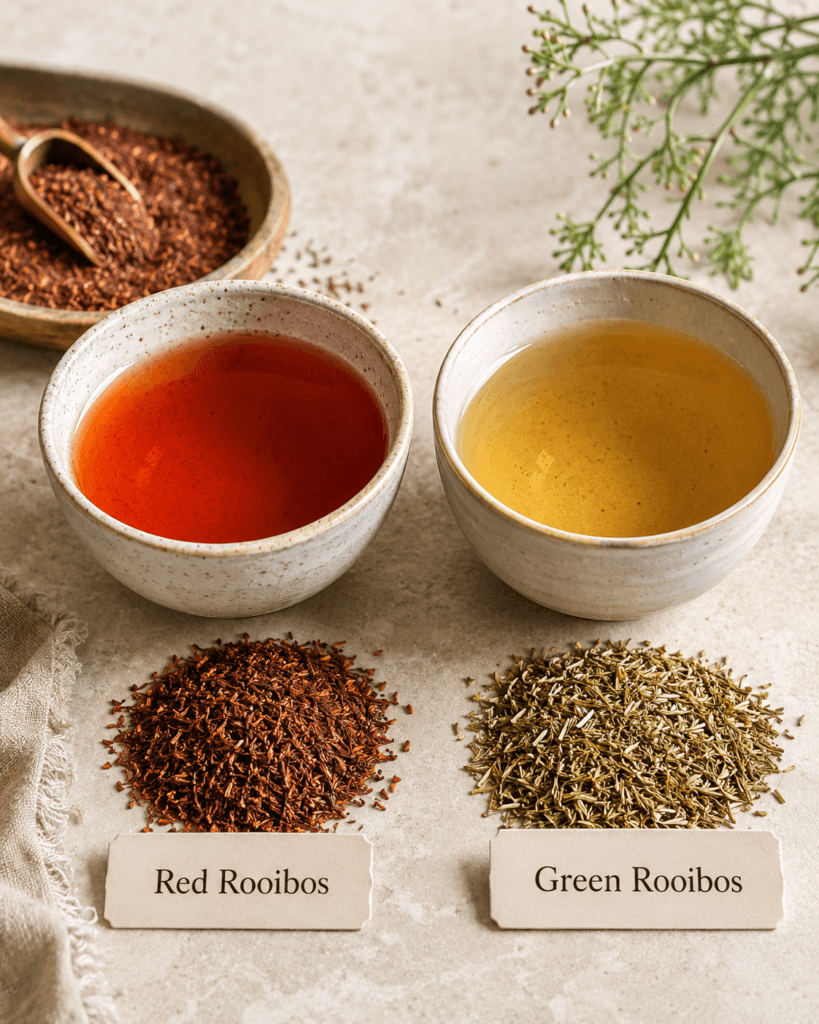
When you’re choosing a caffeine-free tea, the options can feel overwhelming. But with Rooibos and its companions, Green Rooibos and Honeybush, you have a world of flavors to explore that are both satisfying and diverse.
Discovering Rooibos Tea
Rooibos tea offers a naturally sweet and earthy taste, complemented by notes of caramel and a hint of nuttiness. Unlike many other caffeine-free options, it provides a full-bodied flavor that feels as satisfying as your usual cup of coffee or black tea. Originating in South Africa, this red tea was discovered by the indigenous Khoisan people, who brewed it traditionally for its soothing properties and rich flavor.
Recognized for its numerous health benefits, including supporting heart health, reducing inflammation, and promoting digestive wellness, it was shared with Dutch settlers in the 18th century, who popularized its use. Rich in antioxidants and polyphenols, Rooibos is also known for boosting the immune system, possessing anti-aging properties, and enhancing overall relaxation. Most people look for a caffeine-free substitute that doesn’t compromise on taste, and Rooibos tea fits that need perfectly. It’s ideal for your evening relaxation, offering a soothing, flavor-rich experience that nurtures both body and soul.
The Journey of Red Rooibos: From Farm to Cup
Red Rooibos, a staple of South African heritage, undergoes a fascinating journey from the rolling fields of the Western Cape to your comforting cup. Let’s explore each step of this transformative process and discover how it enhances the tea’s rich flavors and health benefits.
-
Cultivation and Harvesting:
Rooibos, scientifically known as Aspalathus linearis, begins as a resilient shrub flourishing in South Africa’s unique climate. Carefully nurtured, it captures the sun’s warmth and the earth’s minerals, imbuing the tea with its distinct earthy sweetness. This stage ensures a high antioxidant content, which is known to support heart health and reduce inflammation. -
Oxidation Process:
Once harvested, the leaves are bruised and left to oxidize naturally. This crucial step is what gives Red Rooibos its vibrant hue and robust, bold flavor. The oxidation process develops polyphenols—compounds that promote immune health and possess anti-aging properties. Enjoy the comforting notes of caramel and vanilla that emerge during this transformation! -
Drying and Sorting:
The oxidized leaves are spread to dry under the African sun, where they further develop their characteristic color and taste. This drying intensifies the tea’s flavor profile, enhancing its smoothness and providing a soothing effect, perfect for unwinding. -
Quality Control and Packaging:
After drying, the leaves are meticulously sorted to ensure that only the highest-quality reaches your cup. This attention to detail guarantees a consistently flavorful brew, rich in nutrients that aid digestion and promote relaxation. -
Brewing:
Finally, you prepare your cup, releasing the tea’s full-bodied aroma and rich, nutty taste. With no caffeine, it’s ideal for any time of the day. Each sip offers a moment of tranquility, connecting you to the tradition and nurturing properties of Rooibos.
Join us in celebrating the art of Red Rooibos—where each step, from farm to cup, contributes to a healthier, happier you!
Exploring Green Rooibos
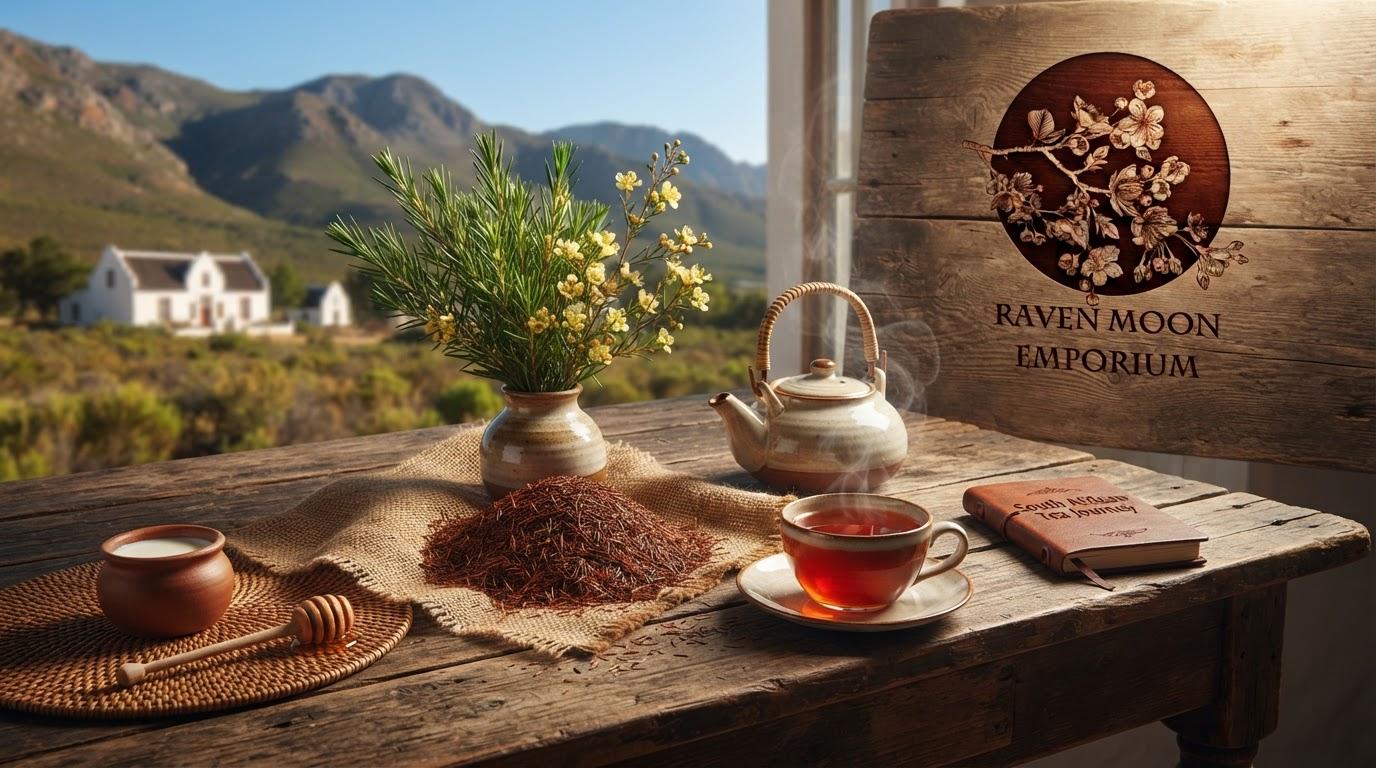
Green Rooibos might be less familiar, but it brings a unique twist to the table. It’s a lighter, more delicate version of traditional Rooibos. The history of Green Rooibos begins in South Africa, much like its red counterpart. Initially overshadowed by the more popular and easier-to-process Red Rooibos, Green Rooibos was first appreciated by local South African communities. As its distinctive, lighter taste with subtle herbal notes was discovered, it gradually gained global recognition for its refreshing qualities.
The plucking and handling process prevents oxidation, resulting in a fresher taste profile with hints of grassiness and a slightly sweet, floral aroma. Its popularity grew as tea enthusiasts worldwide sought caffeine-free alternatives with the same complexity found in traditional green teas.
Green Rooibos not only delights the palate but also offers impressive medicinal benefits. It’s rich in antioxidants, which help combat oxidative stress and promote heart health. Additionally, it has anti-inflammatory properties, making it a soothing choice for those with digestive concerns. If you’re someone who enjoys the gentle nuances found in green teas but wants to avoid caffeine, Green Rooibos is your match. It’s perfect for those midday resets when you need a gentle lift without the jitters.
The Journey of Green Rooibos: From Plant to Cup
Green Rooibos, derived from the same Aspalathus linearis plant as Red Rooibos, offers a lighter, fresher taste profile. Its journey from the South African landscapes to your comforting cup is a beautiful tale of care and precision, producing a tea that is vibrant in health benefits.
-
Selective Harvesting: Just like its red counterpart, Green Rooibos thrives as a resilient shrub in South Africa’s unique climate. Harvested young and tender, the leaves are handpicked to maintain their fresh, vibrant qualities. This care ensures the tea’s rich nutrient content and high antioxidant levels, which contribute to its reputation for boosting heart health and supporting a healthy immune system.
-
Non-Oxidation Process: Unlike Red Rooibos, Green Rooibos skips the oxidation process. After harvesting, the leaves are quickly steamed to halt oxidation, preserving their natural green color and delicate flavors. This step preserves the plant’s natural enzymes and catechins, resulting in a more refreshing, slightly grassy taste and enhanced anti-inflammatory benefits.
-
Gentle Drying: The steamed leaves are dried gently to lock in their subtle floral notes and preserve their vibrant color. This careful drying process ensures the retention of essential vitamins and minerals, offering you a tea rich in health-boosting properties.
-
Quality Assurance: As with Red Rooibos, quality control is paramount. The leaves are sifted and inspected to ensure only the highest-quality tea reaches your cup. This meticulous process guarantees a soothing brew that is both flavorful and nourishing.
-
Brewing Your Cup: When brewed, Green Rooibos delivers a light, aromatic cup that’s perfect for any time of day. Its gentle, herbaceous notes provide a calming experience, making it ideal for those seeking a caffeine-free alternative that nurtures the body and soul.
Green Rooibos offers a unique twist on a classic favorite, with its lack of oxidation preserving a distinct freshness and ample health benefits. Discover the gentle charm of Green Rooibos, and let each sip transport you to the tranquil fields where it all begins!
Introducing Honeybush Tea
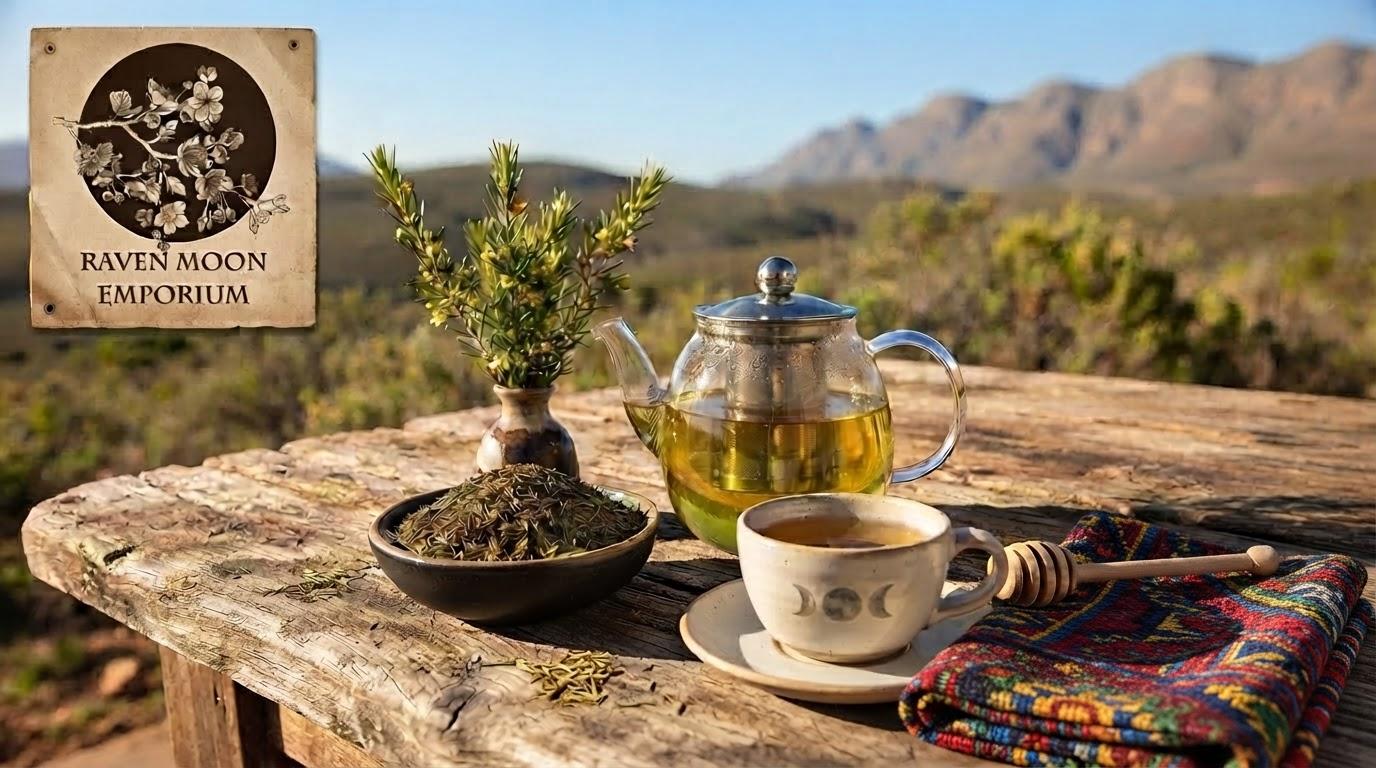
Honeybush tea is another South African treasure, distinct from Rooibos, with a naturally sweet and floral profile. Originating in the Western Cape of South Africa, it was discovered by the indigenous Khoi and San peoples, who recognized its medicinal properties and began brewing it. Honeybush is derived from the Cyclopia intermedia plant species, setting it apart with its unique honey-like flavor.
As Dutch settlers learned of its soothing qualities, its popularity began to spread. In modern times, Honeybush has gained international recognition for its naturally sweet taste and health benefits, becoming a worldwide favorite in the realm of caffeine-free teas. Both teas undergo different processing methods—Rooibos is fermented, giving it a red hue, while Honeybush has a floral undernote and isn’t typically fermented as extensively. Honeybush complements Rooibos and Green Rooibos beautifully, offering a fragrant blend that can uplift your spirits. Its soothing qualities make it a wonderful choice for unwinding after a busy day.
The Journey of Honeybush: From Plant to Cup
Honeybush, a delightful treasure from South Africa, goes through a fascinating process that not only enhances its unique flavors but also imbues it with impressive medicinal properties. Cultivated primarily in the Eastern and Western Cape regions of South Africa, Honeybush thrives in the lush landscapes that offer the perfect balance of sun, rain, and rich soil. Here’s how Honeybush transforms from plant to the comforting cup you enjoy, and how it stands out from Rooibos teas:
-
Cultivation and Harvesting:
-
Honeybush (Cyclopia species) grows naturally in the wild, though cultivated varieties are increasingly common. The plants are harvested by hand, ensuring the preservation of the plants’ natural environments and medicinal properties. This careful cultivation results in a tea rich in antioxidants, which may support respiratory health and have anti-inflammatory effects.
-
Unlike Rooibos, which is widely cultivated, Honeybush remains more wild-harvested, resulting in distinct seasonal variations in flavor and aroma.
-
-
Fermentation Process:
-
After harvesting, Honeybush undergoes fermentation, in which the leaves are moistened and heated. This step is crucial in developing its sweet, honey-like flavor and floral aroma. The fermentation also amplifies the tea’s healing properties, supporting the immune system and aiding digestion.
-
Compared to Red Rooibos, which ferments to achieve its red color and robust taste, Honeybush typically undergoes a shorter fermentation, lending it a lighter, sweeter profile.
-
-
Drying and Sorting:
-
The fermented leaves are spread out to dry, traditionally in the open air, which preserves their vibrant color and maximizes the development of their natural sweetness. This drying phase ensures the longevity of the antioxidants and vital nutrients.
-
Sorting follows to ensure that only the best leaves reach the market, guaranteeing a consistent, high-quality brew.
-
-
Quality Control and Packaging:
-
Rigorous quality checks are carried out to uphold the standards of exceptional Honeybush tea. The leaves are sorted to remove any impurities, ensuring that each sip is as nourishing as the last.
-
Packaged with care, Honeybush is ready to bring its soothing, sweet flavor to your cup, offering a moment of tranquility akin to a warm embrace.
-
-
Brewing Your Cup:
-
When you brew Honeybush, its natural sweetness and floral notes come to life, unfolding into a tranquil tea experience perfect for unwinding after a busy day. Whether you prefer it on its own or blended with other herbs, Honeybush offers a caffeine-free, comforting moment you can savor anytime.
-
Honeybush’s journey from plant to cup highlights its special place in the tea world, offering a distinct alternative to Rooibos with its honeyed notes and nurturing properties. Explore the gentle charm of Honeybush and let its soothing flavors transport you to the serene South African landscapes where it all begins!
Crafting Your Unique Blend
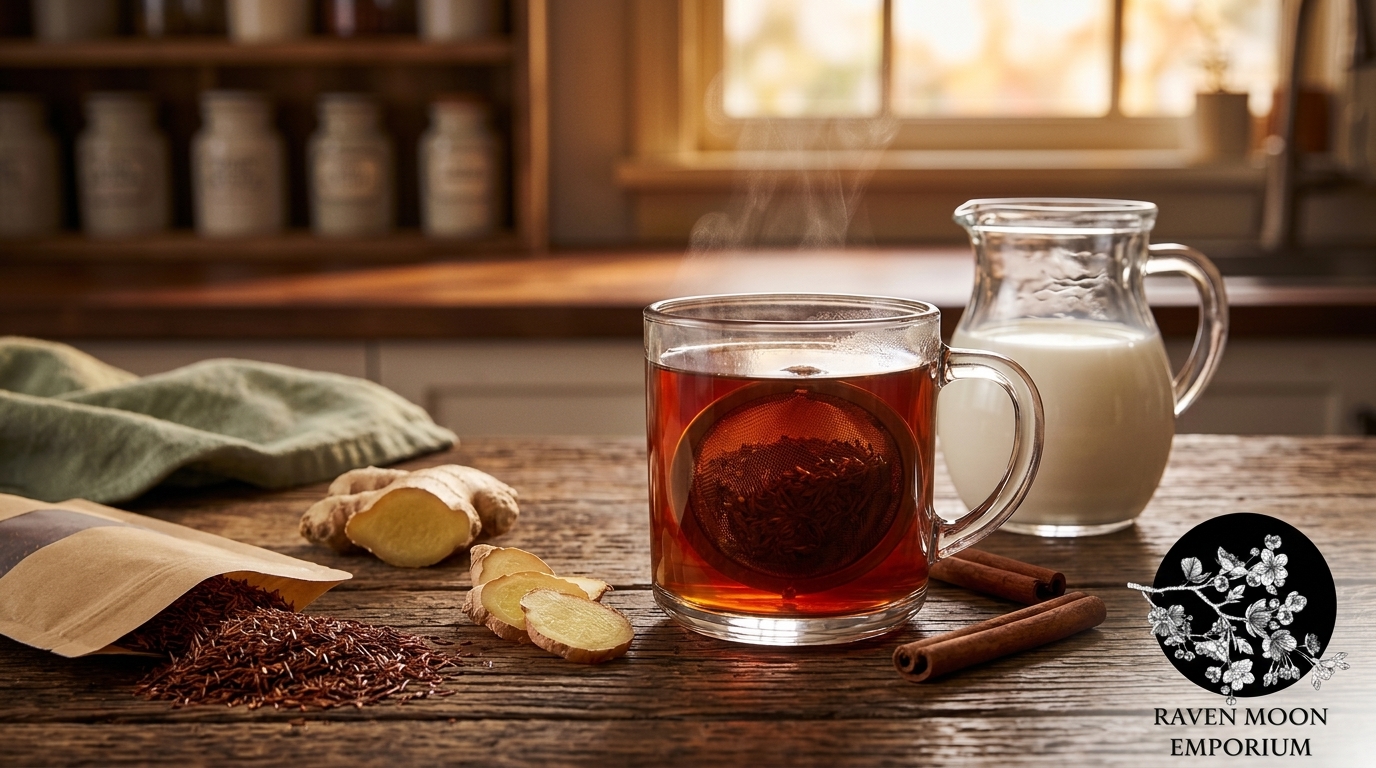
Once you’ve tasted these teas individually, the next step is crafting a blend that suits your taste and lifestyle. By understanding the art of blending, you can turn your tea time into a personal ritual.
The Art of Herbal Tea Blends
Blending teas is like painting with flavors. You can combine the earthy notes of Rooibos with the floral sweetness of Honeybush and the fresh undertones of Green Rooibos. Each mix is an opportunity to create a unique profile that energizes your day or calms your evening. Adding herbs like mint or chamomile can further customize your blend. This flexibility allows you to tailor your teas not just for taste but for mood and occasion.
Blending Tips and Tricks
Start simple. Choose one base tea and add a small amount of a second. Taste as you go. Consider adding dried fruits or spices for an extra layer of richness. Remember, the goal is to enhance, not overpower. For instance, a pinch of cinnamon with Rooibos can add warmth, while a bit of mint with Green Rooibos keeps things refreshing. Experiment and find what speaks to your palate.
Creating Your Evening Ritual
Your evening tea ritual can be a moment of peace and reflection. Select a blend that soothes, like a mix of Honeybush with a hint of lavender. Settle in with a good book or listen to your favorite music. Allow the ritual to mark the transition from the busyness of the day to a more relaxed state. This simple practice can enhance your overall well-being and prepare you for a restful night.
Delightful Rooibos Home Recipes
Exploring the world of Rooibos tea unlocks a treasure trove of flavors and health benefits. Here are two inviting recipes that showcase the versatility and warmth of Rooibos. Enjoy brewing these at home!
1. Zesty Citrus Red Rooibos
Ingredients:
-
1 cup of water
-
1 1/2 teaspoons of Red Rooibos tea
-
A slice of fresh orange peel (avoid the white pith)
-
1/2 teaspoon fresh ginger, thinly sliced
-
Optional: honey or a cinnamon stick for added warmth
Brewing Instructions:
-
Boil water to 212°F (100°C) and pour it over Rooibos tea and ginger in a teapot or infuser.
-
Add the orange peel.
-
Let it steep for 5-7 minutes.
-
Strain the tea into your favorite mug.
-
Sweeten with honey or add a cinnamon stick if desired.
Taste Profile: Enjoy a bright and invigorating blend! The richness of Red Rooibos merges with citrusy notes, complemented by the warmth of ginger.
Medicinal Benefits:
-
Digestive Health: Ginger helps soothe the stomach and aids digestion.
-
Immune Boosting: Rich in antioxidants, it supports overall health.
-
Anti-inflammatory: Rooibos reduces inflammation, promoting wellness.
2. Serene Green Rooibos Lavender
Ingredients:
-
1 cup of water
-
1 1/2 teaspoons of Green Rooibos tea
-
1/4 teaspoon dried lavender buds
-
1 slice of lemon
-
Optional: a teaspoon of chamomile for extra relaxation
Brewing Instructions:
-
Heat water to 176°F (80°C) and pour over Green Rooibos and lavender in an infuser or teapot.
-
Add the slice of lemon to the brew.
-
Steep for 4-5 minutes.
-
Pour into a cup and inhale the calming aroma.
-
Add chamomile if you desire more relaxation.
Taste Profile: This blend offers a delicate, floral experience with light herbal notes. The gentle sweetness of Green Rooibos harmonizes beautifully with lavender’s calming scent.
Medicinal Benefits:
-
Relaxation: Lavender and chamomile offer soothing properties for stress relief.
-
Antioxidant-rich: Green Rooibos provides a refreshing antioxidant boost to combat oxidative stress.
-
Balanced Mood: This calming blend promotes emotional balance and tranquility.
3. Warm Honeybush Vanilla Escape
Ingredients:
-
1 cup of water
-
1 1/2 teaspoons of Honeybush tea
-
1/2 vanilla bean, split open or 1/2 teaspoon vanilla extract
-
Optional: a piece of cinnamon stick or a few star anise pods for added spice
Brewing Instructions:
-
Boil water to 212°F (100°C) and pour it over Honeybush and vanilla in a teapot or infuser.
-
Let it steep for 5-7 minutes while the flavors infuse.
-
Strain into a mug.
-
Add optional cinnamon stick or star anise pods for a hint of spice.
Taste Profile: Experience a warmly enveloping blend with the natural sweetness of Honeybush and hints of vanilla, creating a soft and cozy finish.
Medicinal Benefits:
-
Respiratory Health: The soothing properties of Honeybush can support respiratory wellness.
-
Immune Support: Naturally high in antioxidants, it helps bolster the body’s defenses.
-
Soothing Effects: Promotes relaxation and aids in unwinding, thanks to its calming nature.
These lovely Rooibos and Honeybush recipes offer not only delicious flavors but also invite wellness into your daily routine. Embrace the joy of crafting these blends, knowing each cup nurtures your body and spirit!
Frequently Asked Questions
What makes Rooibos tea different from regular tea?
Rooibos tea is naturally caffeine-free and has a sweet, earthy flavor. Unlike regular black or green teas, it’s made from a South African plant and offers a full-bodied taste without bitterness.
What is the difference between Red Rooibos and Honeybush Tea?
While both are South African treasures, Red Rooibos undergoes a natural oxidation process, giving it a vibrant hue and robust flavor profile. Honeybush Tea, derived from the Cyclopia intermedia plant, features a naturally sweet and floral taste with a honey-like flavor. It undergoes a shorter fermentation, resulting in a lighter, sweeter profile compared to the bold taste of Red Rooibos.
Does Rooibos Tea turn bitter if oversteeped?
Rooibos tea does not become bitter if oversteeped, unlike regular black or green teas. This quality, along with its sweet, earthy flavor, makes it an excellent choice for those who prefer a full-bodied taste without the bitterness.
Which Rooibos tea is a great replacement for Green Tea if I prefer a caffeine-free option?
Green Rooibos offers a unique, lighter taste profile that serves as a great caffeine-free substitute for traditional green teas. It provides a refreshing blend with delicate herbal notes and a slightly sweet, floral aroma similar to green teas, but without the caffeine.