Making medicinal tea feels complicated until you know the simple steps that bring out the best in herbs. Choosing the right blend and steeping it just right lets you enjoy a cup that supports your wellness with purpose. This medicinal tea guide breaks down how to select quality herbs and brew them with confidence at home. Keep reading to make your daily ritual calm, clear, and deeply satisfying.
Choosing Quality Herbs
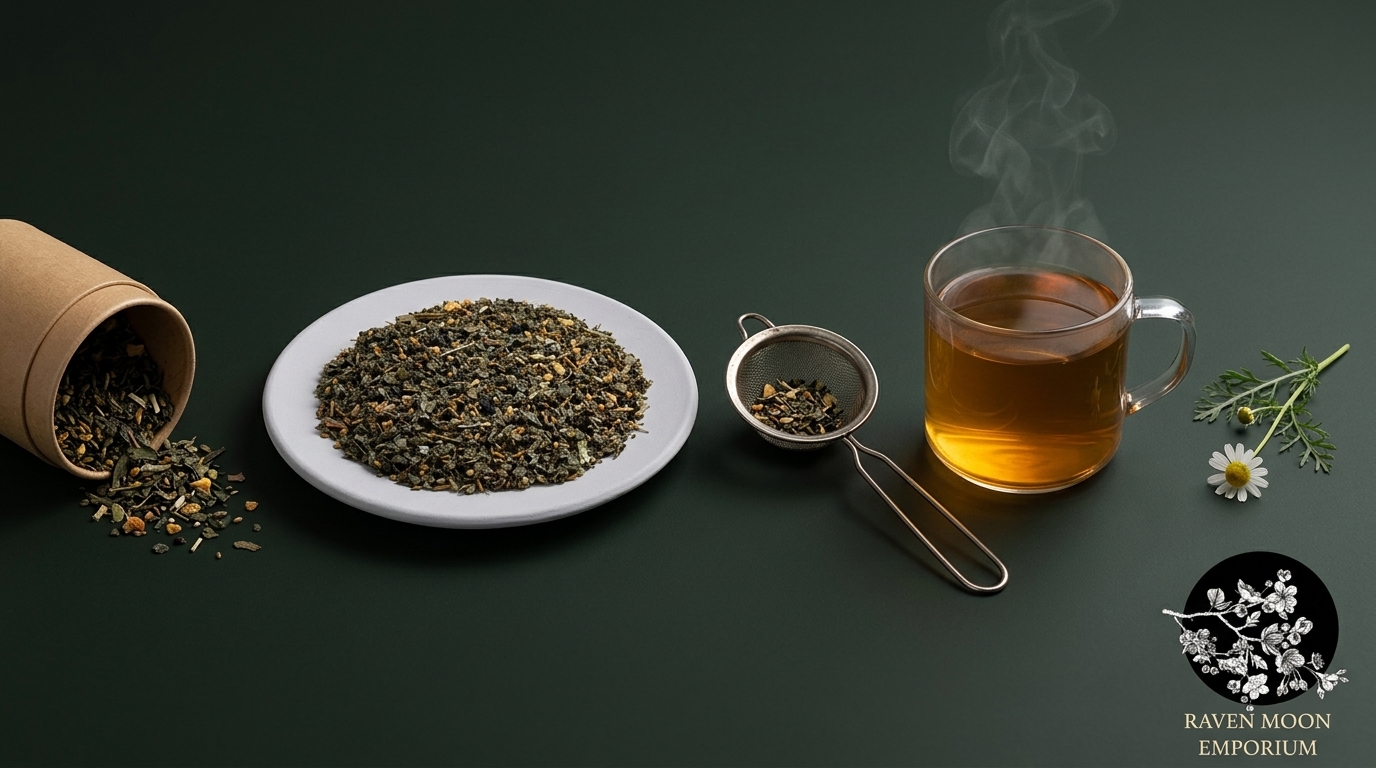
The journey to a perfect cup of medicinal tea begins with selecting the right herbs. Understanding the difference between organic and wildcrafted herbs can guide your choices and enhance your tea experience.
Organic vs Wildcrafted Choices
When deciding on herbs, the source matters. Organic herbs are cultivated without synthetic fertilizers or pesticides, ensuring a cleaner option for your tea. Wildcrafted herbs, on the other hand, are harvested from their natural habitat, offering a unique essence untouched by human interference. Both options provide distinct benefits, allowing you to choose based on your preference for purity or natural sourcing. Remember, your choice impacts the flavor and effectiveness of the tea you brew.
Form Matters: Leaves, Roots, Flowers
The form of the herb also plays a crucial role in tea making. Leaves often infuse quickly, imparting gentle flavors. Roots and bark, however, take longer to release their properties, making them perfect for a more robust brew. Flowers bring a delicate aroma and flavor, enhancing the sensory experience. Understanding these forms helps you craft a tea that suits your taste and wellness goals.
Herbal Tea Ratios for Beginners
Starting with the right ratios ensures a successful tea-making experience. As a beginner, aim for 1 teaspoon of dried herbs per cup of water. Adjusting the amount lets you find your ideal strength, balancing flavor and potency. This simple step lays the foundation for a satisfying and beneficial herbal tea ritual.
Brewing Techniques and Times
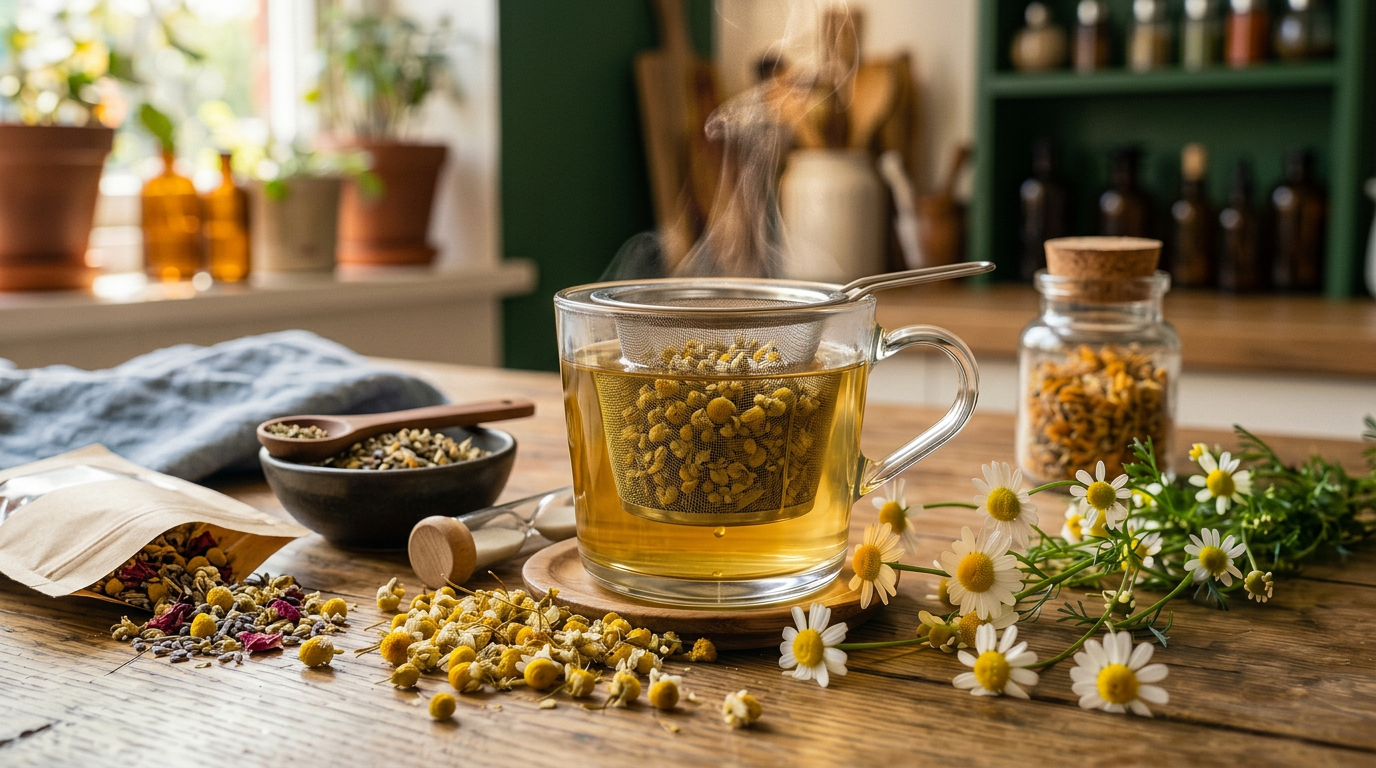
Once you’ve chosen your herbs, learning how to brew them properly is key. Understanding the methods and timing can transform your tea from a simple drink to a healing beverage.
Infusion vs Decoction Explained
The brewing method depends on the type of herbs you’re using. Infusions are best for leaves and flowers, which you steep in hot water for a short time. Decoctions, however, suit roots and barks, requiring a longer simmering to extract their full essence. Knowing the difference between these methods allows you to extract the most benefit from your herbs.
Herbal Tea Steeping Essentials
Steeping is where the magic happens. For infusions, steep your leaves and flowers for about 5-10 minutes. For decoctions, let your roots and barks simmer for 20-45 minutes. These times ensure that the herbs release their beneficial compounds, providing a flavorful and effective cup.
Perfecting Herbal Brewing Times
The right brewing time can make or break your tea experience. Too short, and you miss out on the flavors; too long, and it can become bitter. Experiment with times to find the sweet spot for your preferences. Perfecting this aspect brings consistency and satisfaction to your daily ritual.
Creating a Ritual with Intention
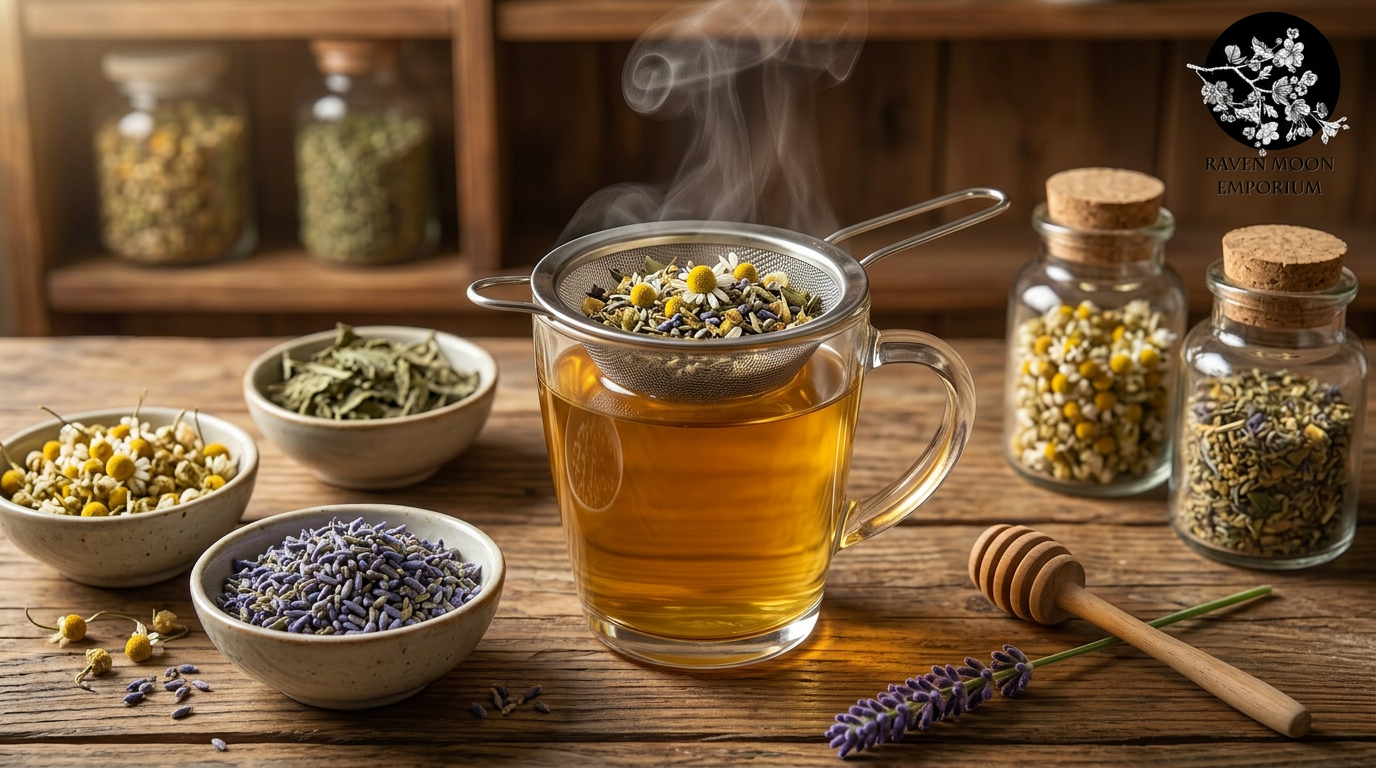
Brewing tea is more than just a task; it’s a moment of mindfulness and intention. Building a ritual around it enriches the experience and supports your well-being.
Calming Your Daily Tea Ritual
Integrating tea into your daily routine can be a soothing escape. Set aside a quiet moment each day to prepare and enjoy your tea, allowing yourself to relax and reflect. This simple practice can bring peace and clarity, transforming your day.
Tools and Infusers for Herbal Tea
Having the right tools enhances your tea-making process. Consider using a high-quality infuser or teapot designed for herbal brews. These tools ensure even steeping and help you enjoy a perfect cup every time. Investing in good equipment makes your tea ritual more enjoyable and effective.
Summer Wellness Routine Ideas 🌿🍵
As summer approaches, consider refreshing your wellness routine with herbal teas. Light, cooling infusions like mint or hibiscus can be a revitalizing addition to your day. Incorporate these into your routine to stay hydrated and energized during the warmer months. Embrace the season with teas that support your body’s natural rhythms.
Mint Tea
This refreshing tea offers a cooling sensation, ideal for hot summer days. Mint aids digestion and provides a calming effect on the stomach.
Cranberry Hibiscus Tea
A delightful blend of tart and vibrant flavors, cranberry hibiscus is rich in antioxidants and contributes to overall wellness. Its striking red hue makes it a standout choice for summer gatherings.
Frequently Asked Questions
What is the difference between organic and wildcrafted herbs?
Organic herbs are farmed without synthetic chemicals, while wildcrafted herbs are gathered from their natural environment. Both offer unique benefits and purity.
How long should I steep herbal tea?
For infusions, steep leaves and flowers for 5-10 minutes. For decoctions, simmer roots and barks for 20-45 minutes to extract their full essence.
What tools do I need for making herbal tea?
A good-quality infuser or teapot designed for herbal teas ensures even steeping and a perfect cup each time. Investing in the right tools enhances your tea ritual.
Can herbal tea be part of a summer wellness routine?
Absolutely! Incorporate light, cooling infusions like mint or hibiscus to stay refreshed and hydrated during the summer months. They align well with seasonal wellness goals.
Why are brewing times important for herbal tea?
Brewing times affect the flavor and potency of your tea. Finding the right balance ensures you enjoy a consistent and satisfying tea experience.