Bath teas have been part of home rituals for centuries, gently shifting how we cleanse both body and space. Today, they invite you to transform a simple soak into a full spiritual bath experience that extends beyond the tub. When paired with herbal floor washes, this practice becomes a nurturing way to refresh your energy and reset your home’s vibe for each season. Ready to learn how to craft your own herbal bath tea and matching floor wash? Let’s get started.
Bath Teas Through Time
Understanding the history of bath teas offers insight into their timeless appeal. These practices have evolved, yet their core remains: nurturing the body and spirit.
Historical Uses and Traditions
Bath teas date back centuries, serving as a bridge between the physical and the spiritual. In many cultures, herbs and flowers infused in water were believed to hold the power to cleanse the spirit. Ancient Greeks, for instance, used lavender and rosemary to purify and uplift. Even today, these traditions linger, offering a window into how our ancestors embraced natural remedies to promote both health and spiritual balance.
Modern Practices and Benefits
Today, bath teas have found a new place in our routines, blending tradition with modern needs. Beyond relaxation, they provide a sanctuary for the mind and a cleansing space for the spirit. Imagine stepping into a warm bath infused with chamomile and rose petals. Your skin feels nourished, and your mind begins to unwind. Using a spiritual bath becomes a way to reset, bringing peace after a busy day. It’s about creating moments where you connect with yourself and your intentions.
Spiritual Bath Ritual Guide
Creating your own spiritual bath can be a grounding practice. It’s a chance to pause and set intentions. Let’s explore how you can prepare and brew your own herbal bath.
Preparing Your Herbal Bath
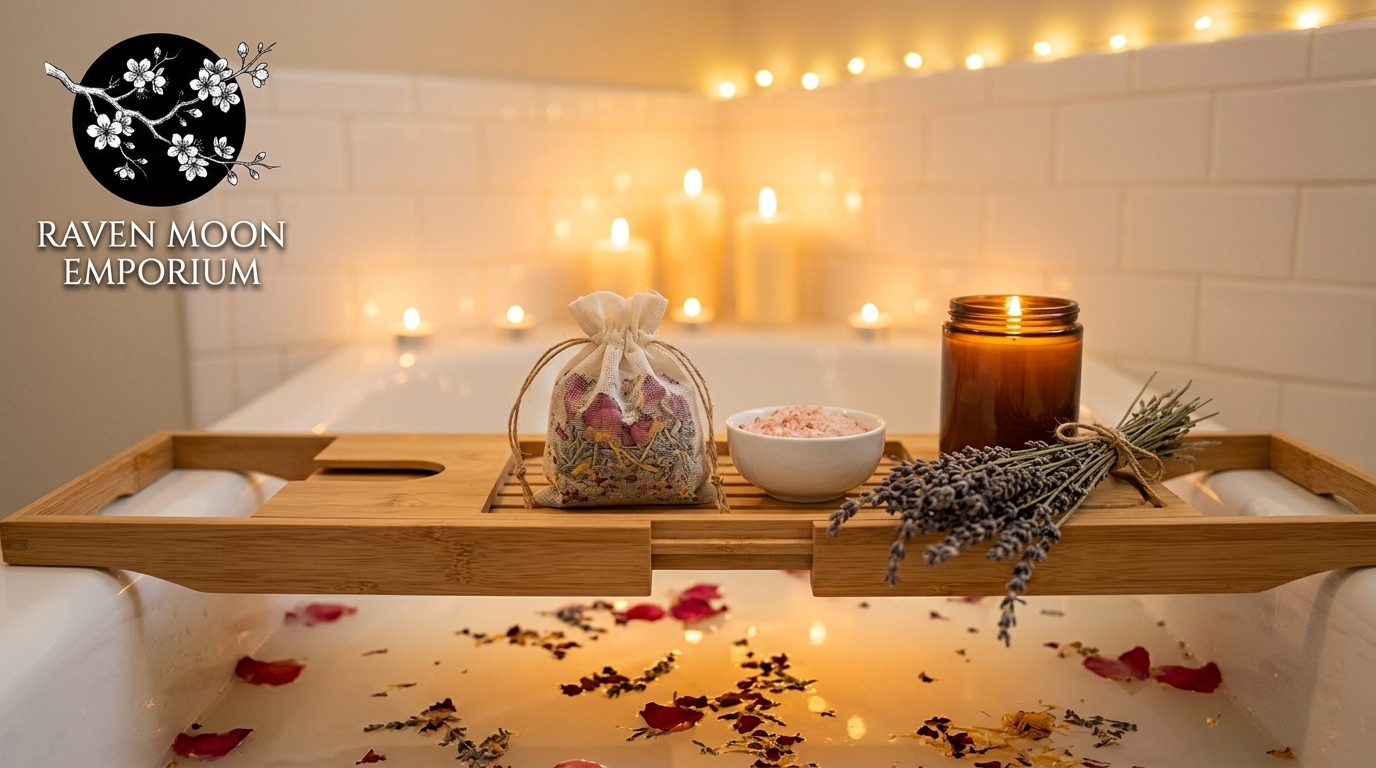
Start by selecting the herbs that align with your intention. Whether you’re seeking peace or clarity, the right combination enhances the experience. Use house-cleansing herbs like sage or lavender if you desire a peaceful environment. Fill a muslin bag or tea infuser with your chosen blend. As you draw the bath, let the herbs steep in the water, releasing their natural oils. This step creates a nourishing base for your ritual, inviting calmness and serenity into your space.
Brewing Method and Tips
For an effective herbal bath, temperature and timing matter. Use warm, not hot, water to prevent any irritation. Allow the tea to steep for 10-15 minutes before stepping in. This ensures the herbs fully diffuse, releasing their aroma. As you immerse yourself, visualize your stress melting away. This practice not only rejuvenates the body but also refreshes the mind, making it an integral part of your home cleansing ritual.
Bath Recipes to Try
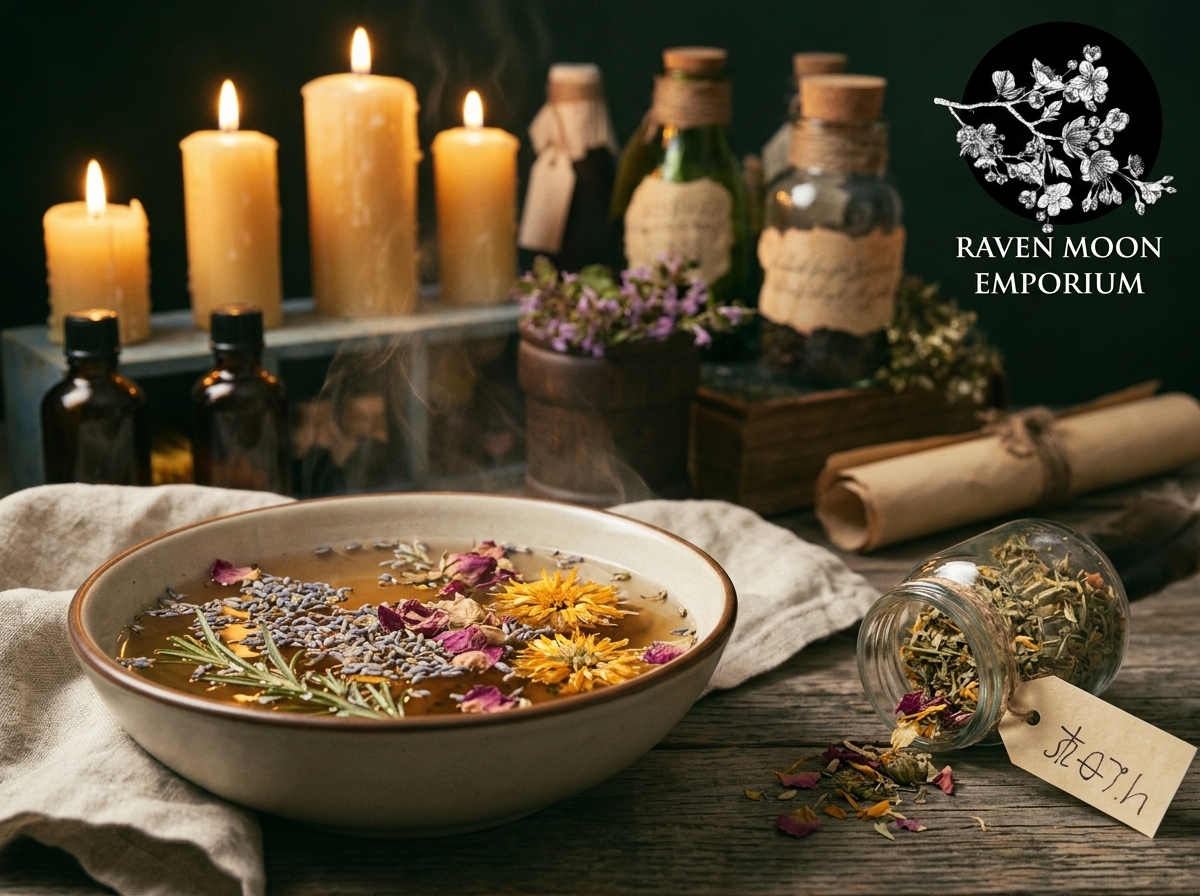
Herbal Bath teas can be powerful medicine – don’t let the name fool you. Herbal spirits have a strong connection with us, and when you ask them to work with you in this way – using water as a medium- true magick can happen!
Protection Bath
To create a Protection Bath, begin by selecting herbs that are known for their protective qualities. Rosemary, with its strong scent and historical use in purification rituals, is perfect for warding off negativity. Lavender adds a layer of calm and peace, creating a soothing barrier around you. Start by filling a muslin bag or tea infuser with equal parts dried rosemary and lavender. As you draw your bath with warm water, place the filled muslin bag under the tap, allowing the water to flow through it and disperse the protective essence. Let the herbs steep for 10-15 minutes before stepping in, ensuring their natural oils and aromas have fully infused the water. As you soak, envision a protective shield surrounding you, promoting safety and peace in your personal space.
Clarity Bath
To prepare a Clarity bath, focus on herbs that are known for their purifying and mind-clearing properties. Peppermint, with its invigorating scent, is excellent for enhancing focus and clarity. Lemongrass adds a refreshing, uplifting aroma and promotes mental sharpness. Start by filling a muslin bag or tea infuser with equal parts dried peppermint and lemongrass. As you draw your bath with warm water, place the filled muslin bag under the tap to let the water flow through it and release the herbs’ essences. Allow the herbs to steep for 10-15 minutes before stepping in. During your soak, visualize mental fog dissipating and your thoughts becoming clearer, inviting a sense of focus and purpose.
Self-Love Bath
To craft a Self-Love bath, choose herbs that nurture the soul and boost self-compassion. Rose petals are ideal, symbolizing love and soothing the heart. Add hibiscus for its vibrant energy and uplifting qualities. Fill a muslin bag or tea infuser with equal parts of dried rose petals and hibiscus. Position the filled bag under the tap as you fill the tub with warm water, ensuring the water extracts the natural oils and aromas. Let the blend steep for 10-15 minutes. As you relax in the bath, focus on feelings of self-appreciation and embrace the beauty within, fostering a positive connection with yourself.
🌿🛁✨
Frequently Asked Questions
What is a bath tea and how does it work?
A bath tea is a blend of herbs, flowers, and salts that you steep in your bath water. It releases natural oils and aromas that nourish the skin and soothe the mind, creating a holistic cleansing experience.
How can I make a herbal bath tea at home?
To make a herbal bath tea, choose herbs that match your intention, like lavender for relaxation or basil for prosperity. Place them in a muslin bag, steep in warm bath water for 10-15 minutes, and enjoy the calming effects.
What are some common herbs used in bath teas?
Common herbs in bath teas include lavender, chamomile, rose petals, and rosemary. Each has unique properties, such as lavender for calming and chamomile for soothing the skin.