Smoke cleansing is often mistaken as a single practice, but its roots stretch across many cultures, each with unique herbs and sacred meanings. When you explore smoke cleansing beyond smudging, you uncover stories tied to frankincense, myrrh, copal, and more—plants chosen for their deep ceremonial roles. Understanding these traditions helps you approach your ritual with respect and clear intention, making your practice truly your own. Let’s honor the rich cultural lineages that shape smoke cleansing and find the herbs that speak to your path.
For more information on smoke cleansing and to explore our range of products, visit our website. 🌿✨
Respectful Language in Smoke Cleansing
Respect and understanding are important when discussing smoke cleansing. This practice is often confused with smudging, but it’s important to distinguish between them. Let’s explore the differences and the significance of sacred smoke.
Smudging vs Smoke Cleansing
Smudging is a specific ceremonial practice that belongs to certain Native American cultures. It involves burning sacred herbs like sage in a ritual to cleanse or bless a space. Smoke cleansing, on the other hand, is a broader term encompassing various cultural traditions using smoke for purification and spiritual purposes. By understanding this distinction, you can choose the right practice for your spiritual journey, respecting the traditions from which they come.
Understanding Sacred Smoke
Sacred smoke has been used across the world and throughout history for spiritual work. It creates a connection between the physical and spiritual realms, purifying spaces and people. Each culture has its unique way of using smoke, often involving specific herbs or resins, to achieve different spiritual objectives. Appreciating these diverse practices allows us to deepen our spiritual experiences with authenticity and respect.
Cultural Lineage of Smoke Cleansing
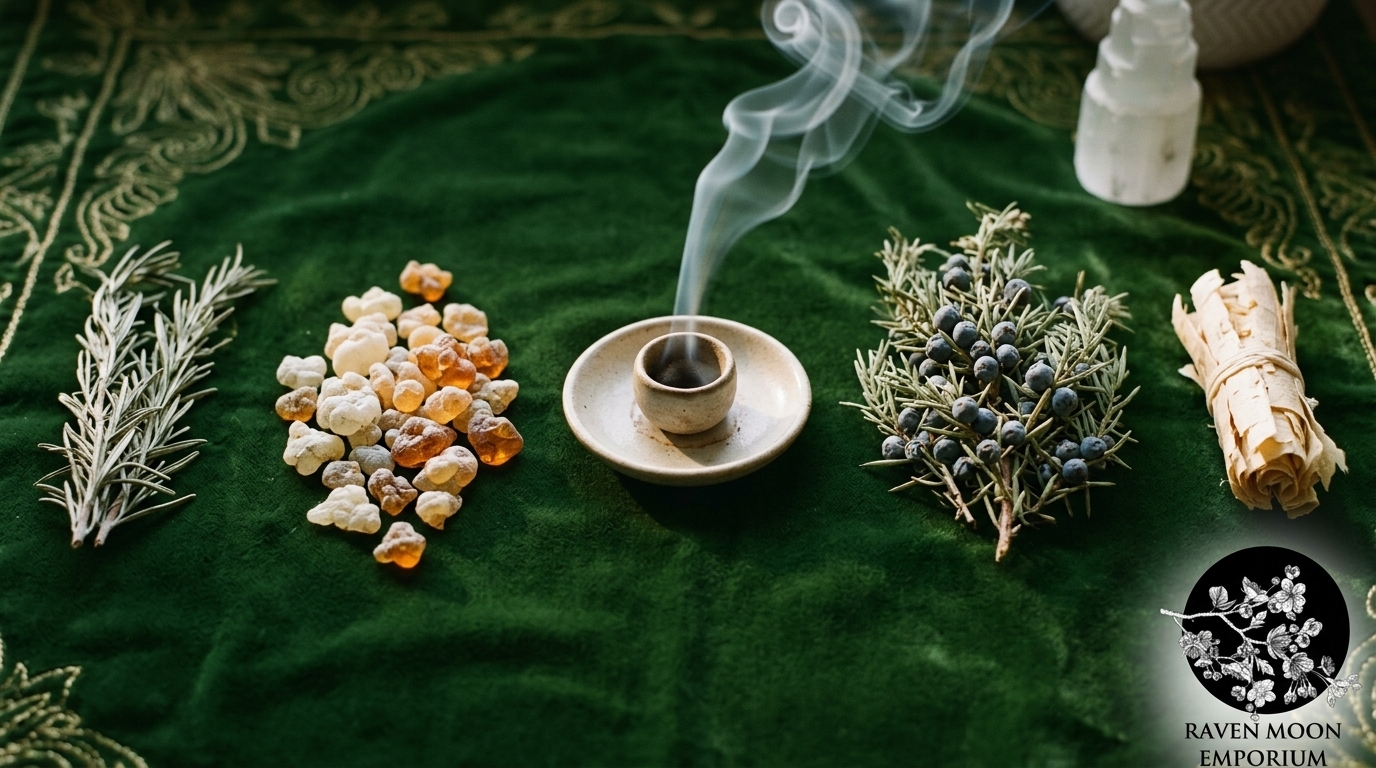
The rich history of smoke cleansing spans many cultures. By exploring these traditions, you can better understand the cultural lineage and meaning behind smoke rituals.
Greek and Roman Incense Traditions
Ancient Greeks and Romans used incense in their religious ceremonies. Frankincense and myrrh were common, valued for their aromatic properties and spiritual significance. These substances were often burnt during ceremonies to honor the gods and create sacred spaces. The Greeks and Romans believed that the smoke carried prayers to the heavens, reinforcing the connection between humans and the divine.
Egyptian Temple Incense
In Egypt, incense was a staple in temple rituals. The Egyptians used a blend called kyphi, made from ingredients like honey, wine, and various herbs and resins. This incense played an essential role in religious ceremonies, believed to appease the gods and purify temple spaces. Smoke rituals were integral to Egyptian spirituality, symbolizing an offering to deities and a way to cleanse the soul.
Norse and Celtic Folk Traditions
Norse and Celtic cultures also embraced smoke rituals. In Norse traditions, juniper and mugwort were used to ward off evil spirits and protect the home. Meanwhile, the Celts used herbs like rosemary and bay laurel for purification and healing. These practices were deeply embedded in their folklore and spirituality, highlighting the protective and cleansing properties of specific herbs.
Herbs and Their Ceremonial Roles
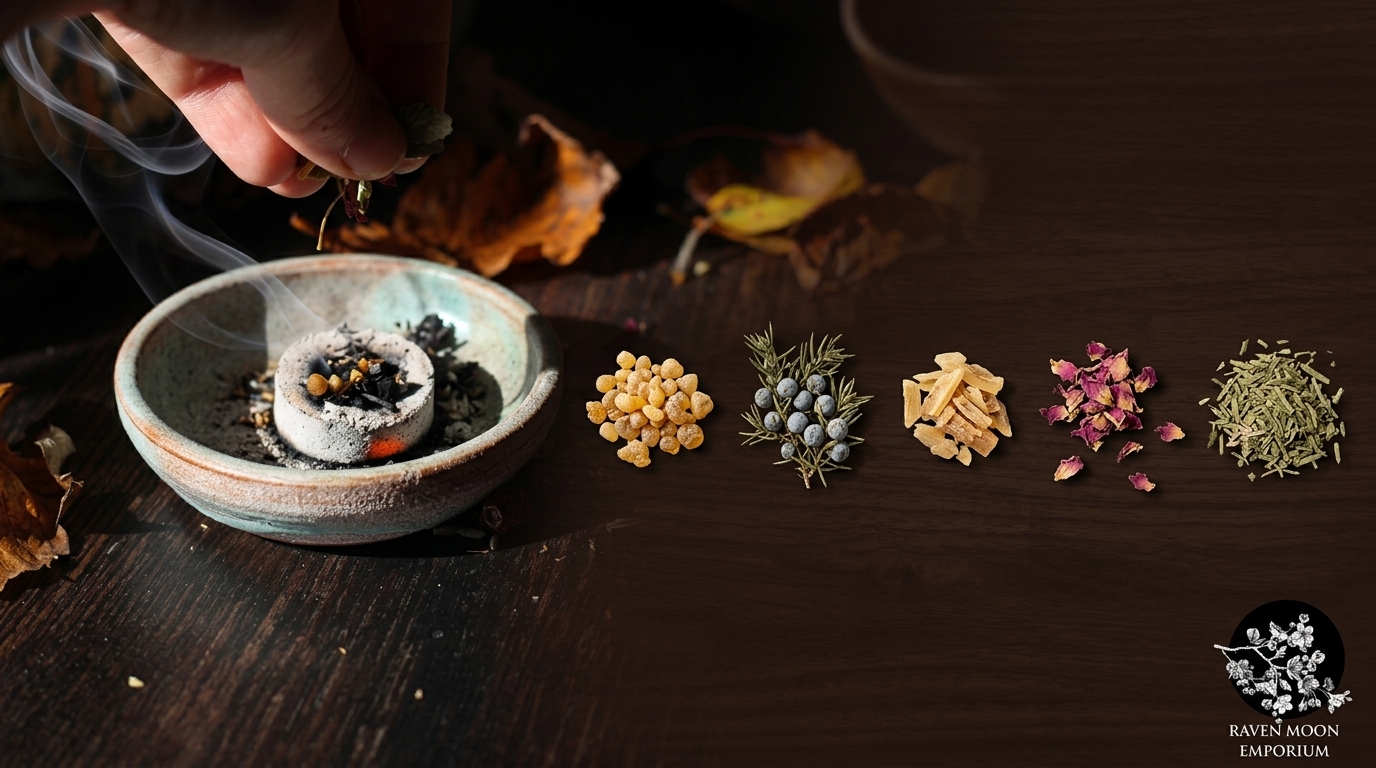
Different cultures have their unique herbs and resins with ceremonial roles. Understanding these allows you to approach your smoke cleansing practice with intention and respect for diverse traditions.
Yoruba Ritual Herbs and Resins
In Yoruba culture, herbs and resins are essential in rituals and ceremonies. Herbs like camphor and sandalwood are used for their cleansing and spiritual properties. These plants are not just chosen for their aroma; they hold deep symbolic meanings and are integral to Yoruba spiritual practices, connecting practitioners to their ancestors and the divine.
Hindu Dhoop and Incense
Hindu rituals often involve dhoop and incense, like sandalwood and agarwood, to invoke the divine and purify the environment. The smoke from these substances is believed to carry prayers to the gods, creating a sacred atmosphere for rituals. Each type of incense has a specific role, whether it’s for meditation, healing, or enhancing spiritual awareness.
Andean and Mayan Smoke Rituals
In the Andes and among the Maya, smoke rituals often feature copal and palo santo. These resins and woods are revered for their powerful cleansing properties. Copal is used in ceremonies to purify spaces and connect with the spiritual world, while palo santo is cherished for its healing and calming effects. These traditions highlight the significance of smoke as a bridge between the physical and spiritual realms.
Frequently Asked Questions
What is the difference between smudging and smoke cleansing?
Smudging is a sacred ritual specific to some Native American cultures, using particular herbs like sage. Smoke cleansing is a broader practice found in various cultures, using different herbs and resins for spiritual and purification purposes.
Why is it important to choose herbs with cultural awareness?
Choosing herbs with cultural awareness ensures respect for the traditions they come from. It helps avoid cultural appropriation and ensures the practice remains authentic and meaningful.
Can I use any herb for smoke cleansing?
While you can choose various herbs for smoke cleansing, it’s important to understand their cultural significance and ensure they are ethically sourced. Some herbs are endangered or hold sacred value in certain cultures and should be used with respect and mindfulness.
How can I practice smoke cleansing responsibly?
To practice smoke cleansing responsibly, research the cultural significance of the herbs you use, choose sustainably sourced or locally grown options, and respect the traditions they come from.
Is smoke cleansing effective for spiritual work?
Yes, smoke cleansing can be effective for spiritual work. The practice is believed to purify spaces, enhance spiritual connection, and offer protection. However, its effectiveness depends on the intention and respect you bring to the practice.