
Wormwood isn’t your everyday herb—it’s a classic bitters with a sharp, powerful profile that demands respect. How you prepare it—whether as a tincture, tea, glyceride, or infused oil—changes everything about its use and effects. At Raven Moon Emporium, we break down wormwood’s unique herbal actions and show you how to pick the form that fits your goals perfectly. Ready to get to know Artemisia absinthium the right way?
Materia Medica Overview
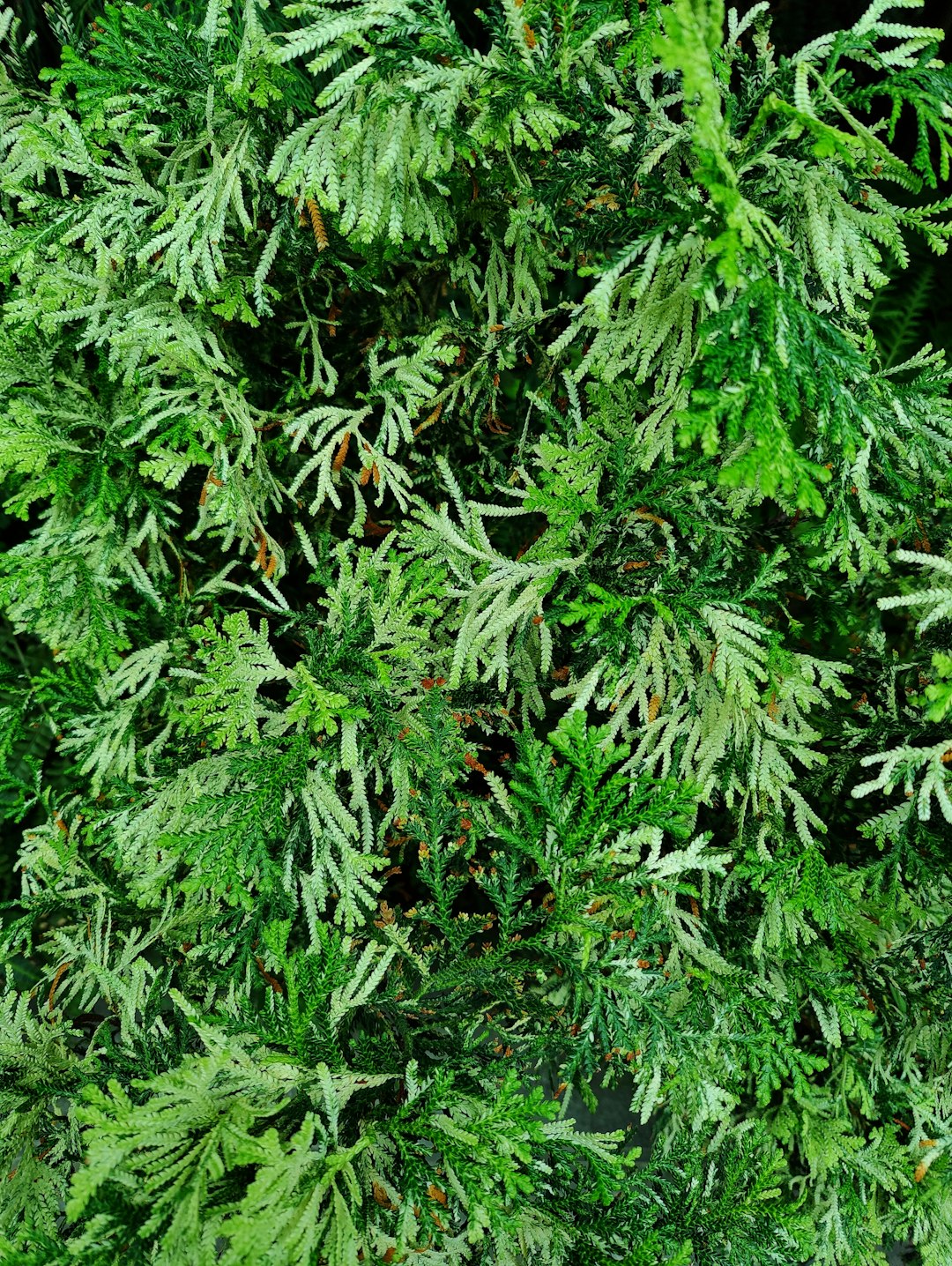
Introduction to Wormwood
Wormwood is a powerhouse in the herbal world. Known scientifically as Artemisia absinthium, it offers a unique profile as a classic bitters. Its strong and sharp character makes it a distinctive choice for those who appreciate the complexity of herbal medicine.
- Scientific Name: Artemisia absinthium
- Plant Family: Asteraceae
- Tastes: Bitter, aromatic
- Energetics: Typically considered hot and dry
- Herbal Actions: Bitter tonic, anthelmintic, carminative, antimicrobial
- Constituents: Essential oils (such as thujone), flavonoids, tannins, bitters
Join us at Raven Moon Emporium to delve deeper into the wonders of wormwood and explore how it can harmonize with your personal needs! Whether you’re a seasoned herbal practitioner or just starting on your plant medicine journey, we’ve got everything you need to grow and thrive. 🌿
Important Note: Consult Before Internal Use
While wormwood boasts incredible benefits and mystical allure, it’s crucial to prioritize safety in your herbal journey. Before introducing wormwood internally, always consult a qualified healthcare professional or an experienced herbalist. Their expertise will help tailor the herb’s use to your individual needs, ensuring a safe and beneficial experience. 🌿
System Affinities of Wormwood
Wormwood’s unique affinities with various body systems make it an herb of choice for those exploring plant medicine. Its interactions with these systems highlight its versatility and therapeutic potential. Here’s a closer look at why wormwood aligns so well with certain bodily functions:
- Digestive System: Wormwood’s primary claim to fame is its affinity with the digestive system. As a classic bitters herb, it stimulates the production of digestive juices, including stomach acid and bile, which are essential for efficient food breakdown. This enhancement of digestive processes aids in appetite stimulation and better nutrient absorption. The bitter taste triggers a reflex that prepares the body for digestion, helping alleviate indigestion and discomfort.
- Immune System: Wormwood also shows a remarkable affinity with the immune system thanks to its antimicrobial properties. By inhibiting the growth of harmful bacteria and fungi, wormwood supports the body’s natural defenses against infections. Its essential oils, like thujone, play a crucial role in fortifying the body’s resistance to pathogens, making it a valuable ally in maintaining overall health.
- Nervous System: Less well known is wormwood’s subtle connection to the nervous system, particularly regarding mood and mental clarity. The aromatic compounds of wormwood can have a stimulating effect, potentially enhancing focus and alertness. This makes it a useful companion for those seeking mental clarity during study or meditation.
- Musculoskeletal System: Wormwood’s anti-inflammatory properties also support the musculoskeletal system, offering relief from minor aches and pains. Traditionally used externally in infused oils or salves, wormwood can help soothe muscle and joint discomfort, making it a supportive choice for physical well-being.
By embracing wormwood’s system affinities, you can tailor its use to meet your unique wellness goals. Whether you’re looking to invigorate your digestive health, boost your immune defenses, or find tranquility through its aromatic properties, wormwood is here to accompany you on your journey to holistic wellness.
Herbal Actions and Benefits
Wormwood plays a significant role in supporting digestion. Its bitter tonic properties stimulate the digestive system, encouraging the production of stomach acids and bile. This can help with appetite and promote better digestion. Many herbalists appreciate wormwood for this reason, especially when crafting a bitters formula. The herb also holds potential for other wellness benefits, making it a versatile addition to your herbal cabinet.
- Bitter Tonic: Stimulates digestive juices to aid in digestion. This action can promote appetite and help with digestive issues.
- Educational Note: Bitters like wormwood encourage the production of bile and stomach acid, naturally enhancing your digestive health!
- Anthelmintic: Helps expel worms and parasites from the body.
- Research Insight: Wormwood contains compounds like thujone that may paralyze parasites, making it easier for the body to eliminate them. Learn more about this action through this study.
- Carminative: Reduces bloating and gas to soothe digestive discomfort.
- Quick Tip: Carminatives like wormwood help relax the smooth muscle of the digestive tract, promoting smooth gas expulsion.
- Antimicrobial: Protects against bacterial and fungal infections.
- Science Says: Wormwood’s essential oils have shown antimicrobial properties, supporting your body’s defense against unwanted microbes. Explore the study on antimicrobial effects here.
Each of these actions offers unique benefits, encouraging a holistic approach to your well-being. Whether you’re beginning your herbal journey or deepening your practice, discovering how wormwood can be a part of your health regimen is an exciting step!
Understanding Thujone: Wormwood’s Main Active Ingredient
Thujone is the principal active compound in wormwood (Artemisia absinthium), contributing to its characteristic properties and potential effects on the body. Recognized for its potent profile, thujone is primarily accountable for many of the herb’s traditional applications—as well as the precautions necessary when using wormwood.
Effects of Thujone
Thujone primarily acts on the central nervous system. It is known to interact with gamma-aminobutyric acid (GABA) receptors in the brain. By modulating these receptors, thujone can induce neurological effects, including stimulation and, at higher doses, convulsions. This interaction is responsible for both the sought-after effects of heightened alertness and possible adverse effects if not used carefully.
Interaction with the Body
When consumed, thujone affects the body by:
-
Modulating Neurotransmitters: It binds to GABA receptors, thereby affecting mood, cognitive function, and neural activity.
-
Stimulating Digestive Processes: As part of wormwood’s bitter constituents, thujone can enhance digestive secretions, promoting better digestion and appetite.
-
Offering Antimicrobial Action: Studies suggest thujone exhibits some degree of antimicrobial activity, contributing to wormwood’s utility in supporting immune defenses.
Precautions and Safety Considerations
Due to its potent effects, it is crucial to exercise caution with thujone:
-
Dosage Awareness: Small quantities of thujone may offer therapeutic benefits, but excessive consumption can lead to toxicity, characterized by symptoms such as nausea, vomiting, and convulsions.
-
Sensitive Populations: Pregnant women, nursing mothers, and individuals with seizure disorders should avoid thujone due to its potential to provoke adverse effects.
-
Regulatory Limitations: Many countries regulate thujone levels in products such as foods and beverages, notably in absinthe, to mitigate health risks.
Understanding thujone’s properties and respecting its potency allows for the safe and beneficial use of wormwood. Always consult with a healthcare provider or experienced herbalist to determine the appropriate use tailored to individual health needs.
Safety and Precautions
While wormwood is beneficial, using it safely is vital. It should be used in moderation and with care due to its strong properties. Pregnant women, for instance, should avoid it. If you’re new to wormwood, starting with small amounts and consulting a knowledgeable practitioner can help you enjoy its benefits without concern.
Medical Interactions of Wormwood
Considerations for People with Specific Conditions
Wormwood, while a powerful herb, can have complications for individuals with certain health conditions. Those with epilepsy or other seizure disorders should avoid wormwood, as it contains thujone, a compound that can trigger seizures. Additionally, anyone with liver or kidney issues should exercise caution, as wormwood may exacerbate these conditions. It’s vital to consult a healthcare professional before incorporating wormwood into your regimen if you have a history of these health concerns. Source: MedlinePlus
Interactions with Medications
If you’re taking specific medications, it’s essential to be mindful of potential interactions with wormwood. This herb may interact with medications metabolized by the liver, such as certain anticonvulsants and diabetes medications, due to its effects on liver enzymes. Additionally, using wormwood alongside sedatives or drugs that affect the central nervous system may amplify their effects, leading to increased drowsiness or health risks. Always discuss with your healthcare provider to ensure safe herbal and medication practices. Source: NIH National Center for Complementary and Integrative Health
Preparation Methods
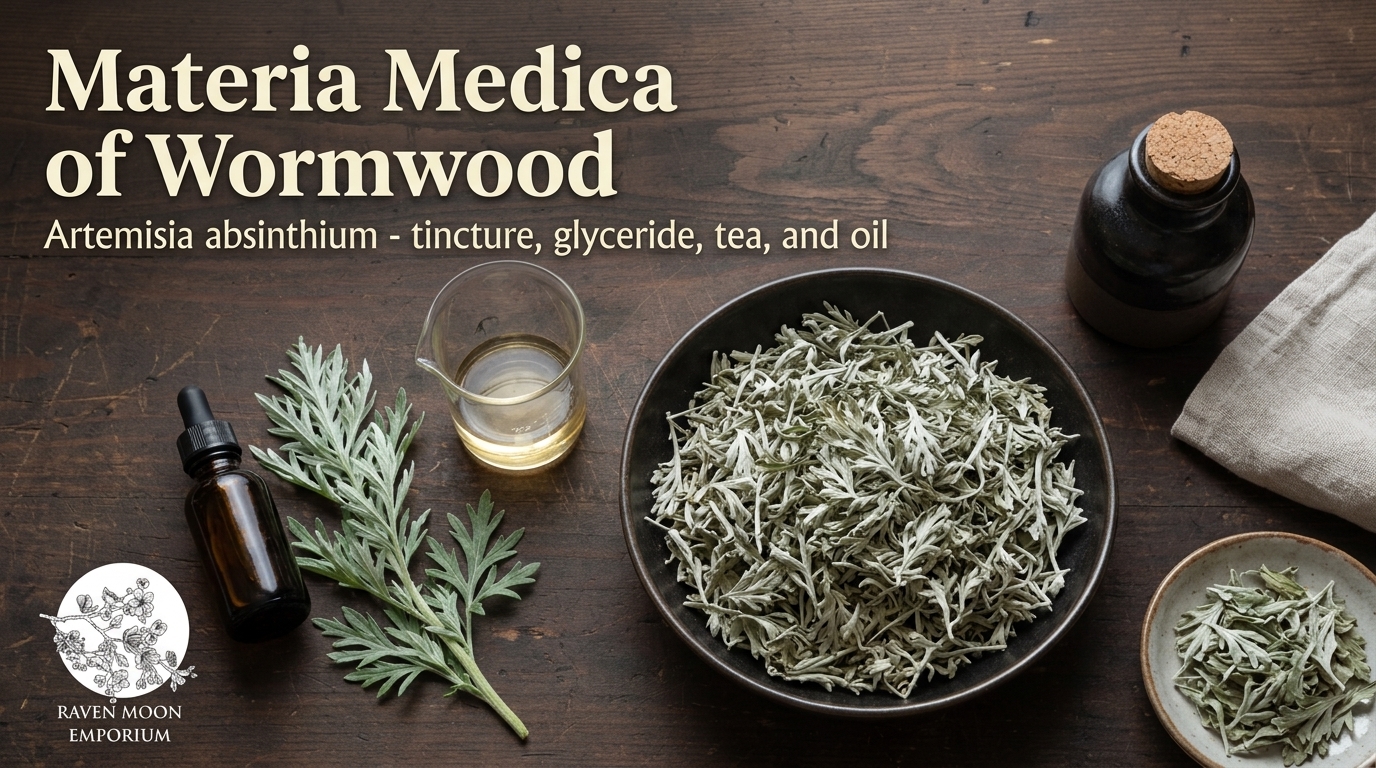
- Use a Tincture: Opt for a tincture if you are seeking concentrated effects and ease of dosage measurement. Tinctures are ideal for integrating wormwood into your wellness regimen with precision.
- Choose a Glyceride: Glycerides are suitable for those who prefer an alcohol-free alternative or have alcohol sensitivities. They are gentle and sweet, making them a great choice for children and individuals sensitive to stronger preparations.
- Select a Tea: Preparing wormwood as a tea is a gentle introduction to its properties. It’s suitable for those who enjoy traditional herbal teas and prefer a milder delivery method.
- Utilize an Infused Oil: Embrace wormwood-infused oil for external uses; it’s ideal for soothing and supporting the skin. This preparation is beneficial for those focusing on topical application and relief of muscular pain.
Why Temperature Matters
Temperature is crucial, as it influences extraction efficiency and the preservation of delicate compounds. Overheating can damage beneficial compounds, diminishing the product’s effectiveness.
Making a Wormwood Tincture: Step-by-Step Guide
Delve into the art of tincture making to capture wormwood’s potent benefits. Whether you’re doing it the traditional way or using a tincture machine, here’s how to get started:
Understanding Potency
-
Standard Potency:
- Dry Herbs: 1:5 ratio (1 part herb to 5 parts solvent)
- Fresh Herbs: 1:2 ratio (1 part herb to 2 parts solvent)
-
What is Potency? Potency refers to the concentration of active ingredients in your tincture. The ratios above guide how much herb to use per unit of solvent to ensure effective extraction.
Choosing the Right Alcohol
- Alcohol Proof: Use 80-100 proof vodka or brandy for dried herbs; 95% alcohol for fresh herbs.
- Why? The alcohol acts as a solvent to draw out and preserve the herb’s beneficial compounds. A higher proof is needed for fresh herbs to compensate for their water content.
Folk Method
-
Gather Supplies: Container, dried/fresh wormwood, alcohol, cheesecloth.
-
Combine and Shake: Fill your jar with the herb based on the appropriate ratio, pour alcohol to cover, and seal tightly. Shake daily to aid extraction.
-
Time to Steep: Let the mixture sit for 4–6 weeks in a cool, dark place.
-
Strain and Store: After steeping, strain the mixture using cheesecloth into a dark glass bottle. This helps preserve potency and freshness.
Tincture Machine Method
-
Prepare the Machine: Follow the manufacturer’s guidelines for setup.
-
Add Ingredients: Place the appropriate ratio of wormwood and alcohol into the machine.
-
Set the Cycle: Select the cycle recommended for herb extraction.
-
Strain and Store: Once the process is complete, strain and bottle your tincture as with the folk method.
Dosage Instructions
- General Use: Begin with 15-30 drops (about 1-2 dropperfuls) in water 2-3 times daily.
- Personalization: Adjust dosage based on your individual needs and any guidance from a healthcare provider. Start small to see how your body reacts!
Why Choose a Glyceride Over a Tincture?
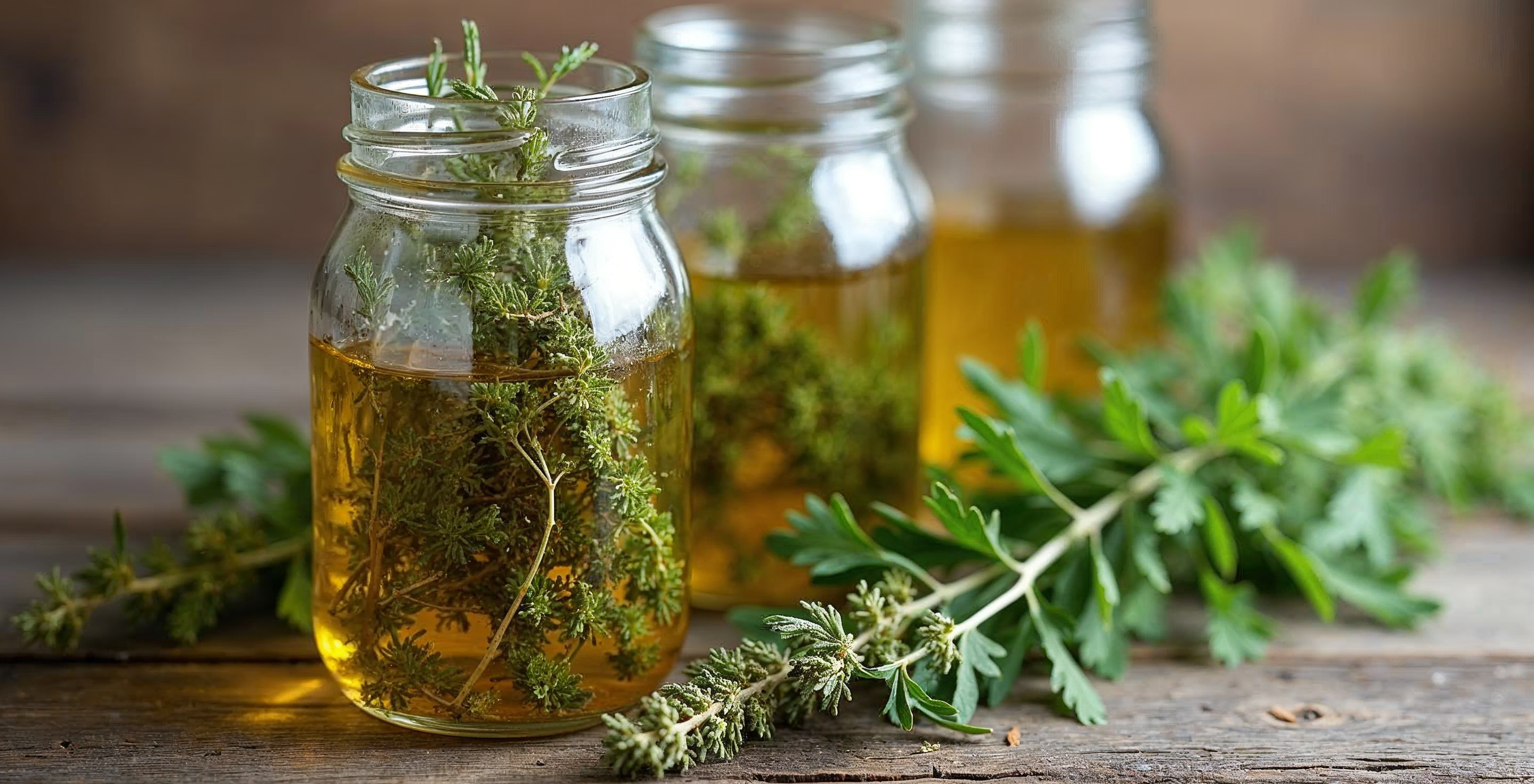
Herbal glycerides offer wonderful benefits for those looking for an alcohol-free alternative to tinctures. Glycerides are made using vegetable glycerin, which is mild, sweet, and suitable for individuals with alcohol sensitivities. They preserve the herb’s holistic properties and are especially great for children or anyone who prefers a non-alcoholic option. Let’s explore how to create your own herbal glyceride!
Understanding Potency and Methods
When crafting your glyceride, the potency will depend on whether you use fresh or dry herbs:
- Dry Herbs: Use a 1:5 ratio (1 part herb to 5 parts glycerin/water solution)
- Fresh Herbs: Use a 1:2 ratio (1 part fresh herb to 2 parts glycerin/water solution)
These ratios are essential to ensure your final product is both effective and safe.
Glyceride-to-Water Ratios
Combining glycerin with water ensures a balanced sweetness and extraction efficiency. Typically, this involves mixing two parts glycerin with one part water, a crucial balance since pure glycerin can be too thick. When properly diluted, it extracts the beneficial compounds while remaining palatable. Be cautious: if the water content exceeds 30% in your final product, you risk spoilage and mold growth. Raven recommends using a 75/25 ratio for dried herbs and a 90/10 ratio for fresh herbs, as fresh herbs release a significant amount of their own water.
Crafting Your Herbal Glyceride
The Old-Fashioned Way (Without Heat)
- Gather Supplies: Glass jar, fresh or dried herbs, glycerin, water, cheesecloth.
- Combine Ingredients: Mix glycerin and water in your chosen ratio. Add herbs to the jar and cover with the glycerin solution.
- Seal and Shake: Seal the jar tightly and shake well to distribute the liquids.
- Let it Sit: Store in a cool, dark spot, shaking daily for 4–6 weeks to aid extraction.
- Strain and Store: Strain through cheesecloth into a dark glass bottle to preserve freshness.
Using a Crockpot
- Set Up: Place the mixed glycerin solution and herbs in a heat-safe jar.
- Water Bath in Crockpot: Place the jar in the crockpot half-filled with water.
- Low and Slow: Set to low heat and let it warm for 8–12 hours, checking water levels periodically.
- Strain and Store: After cooling, strain and store your glyceride in a dark bottle.
Using a Machine (Levo or Vivosun)
-
Follow Machine Instructions: Set up the machine according to the manufacturer’s guidelines.
-
Add Ingredients: Place herbs and glycerin solution in the machine.
-
Select Cycle: Choose the cycle recommended for extraction.
-
Set Temperature and Time: Use 110°F (43°C) and set the time to 8–12 hours for optimal glyceride extraction.
-
Complete and Bottle: Once the process is complete, strain and store.
Dosage Guidelines
- General Use: Begin with 1–2 teaspoons of glyceride, taken 1–3 times daily.
- Adjust Accordingly: Listen to your body, and adjust as needed. Consult with a healthcare professional for personalized guidance.
We hope this guide inspires you to explore herbal glycerides as a part of your holistic toolkit. Remember, everyone’s journey is unique—so feel free to experiment and find what resonates with you! 🌿✨
Tea Preparation Techniques
Tea is another way to enjoy wormwood’s unique qualities. To prepare, steep dried wormwood leaves in boiling water. Let it sit for a few minutes, then strain. While the tea captures the herb’s bitter properties, it’s essential to remember that a little goes a long way. Consider sweetening with honey if the taste is too intense.
How to Brew Wormwood Tea
Discover the art of preparing wormwood tea—a simple yet profound way to connect with this incredible herb:
- Steeping Temperature: Use water just before boiling, around 195°F (90°C), to preserve the delicate oils and compounds of wormwood.
- Steeping Time: Let your tea steep for 5-10 minutes. This duration extracts the beneficial properties without overwhelming bitterness.
- Herb-to-Water Ratio: For a medicinal brew, use 1 teaspoon of dried wormwood per cup of water. This balance ensures potency and effectiveness.
- Dosage: Begin with one cup per day. As your body acclimates, you can gradually increase to two cups if needed.
- Starting Slowly: Like all new plant medicines, start with smaller doses to gauge your body’s unique response. Wormwood is potent, so listen to how you feel.
- Adjust as Needed: As you become more familiar with wormwood’s effects, tailor your consumption to meet your wellness goals. Remember, every herbal journey is personal and unique!
Be sure to consult your physician or qualified herbalist before consuming wormwood tea to make sure it is a good option for you 🌿
Infused Oil and Practical Use
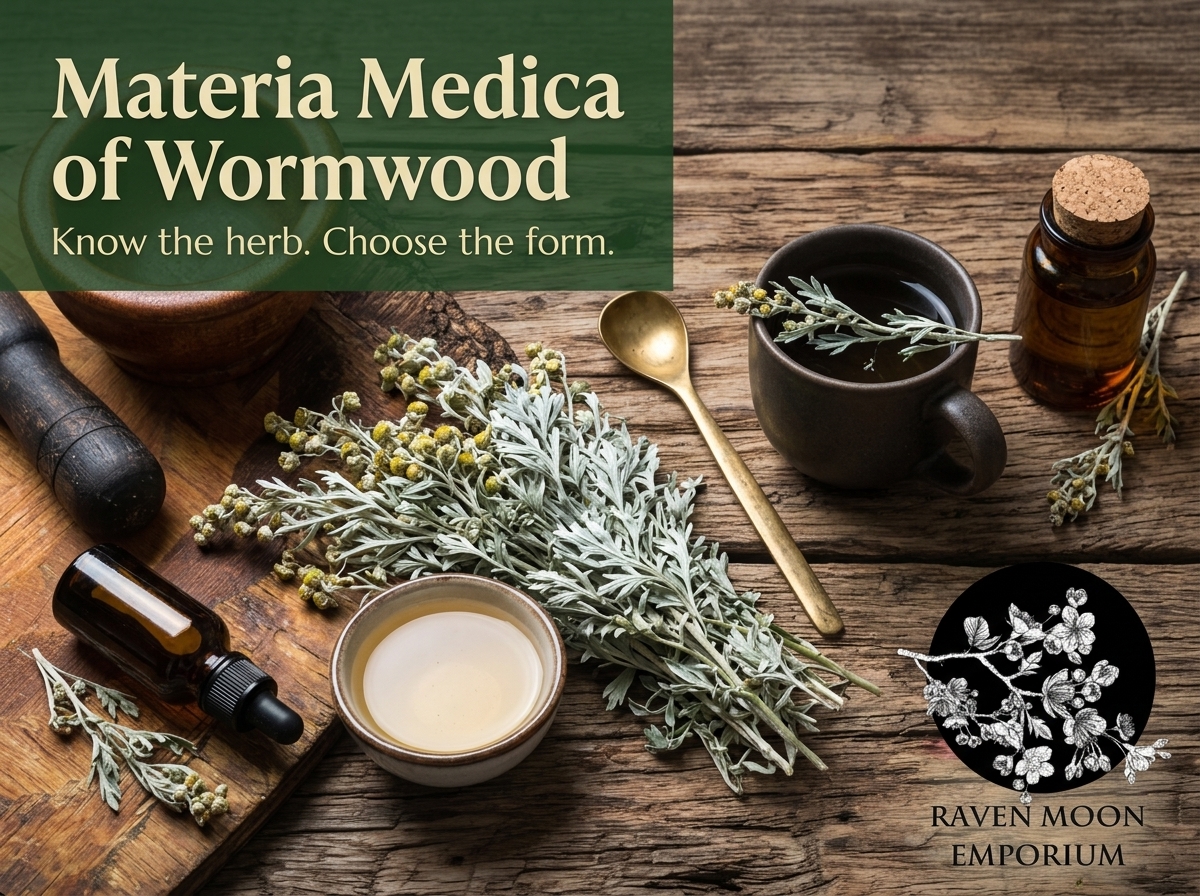
Creating Wormwood Infused Oil
Wormwood oil is sought after for its soothing and therapeutic benefits, especially in topical applications. Here’s why you might want to incorporate it into your herbal repertoire:
- Traditionally Calming: Known for its anti-inflammatory and soothing properties, wormwood oil can be ideal for relieving muscle and joint discomfort.
- Antimicrobial Benefits: It can help maintain skin health by protecting against bacterial and fungal infections.
- Aromatic: The scent of wormwood oil may contribute to a calming, relaxing environment.
Methods to Make Wormwood Oil
- Traditional Folk No Heat Method:
- Place dried wormwood in a jar and cover with your chosen carrier oil. Dried herbs are recommended over fresh herbs for making oils because the have lower water content.
- Store in a warm, sunny spot for 4-6 weeks, shaking occasionally.
- Crockpot Method:
- Use a crockpot that can maintain a low temperature.
- Place wormwood and oil in a heat-safe jar, set it in the crockpot, and fill the crockpot with water halfway up the jar.
- Heat on low setting at about 100-110°F for 4-8 hours, checking the water level periodically.
- Levo, Magic Butter, and Vivosun Method:
- Levo: Follow the machine’s instructions, use 110°F, and set for 4 hours.
- Magic Butter: Set to 130°F for about 1 hour—be cautious with extraction to avoid overheating.
- Vivosun: Use the 110°F temperature setting for 4-8 hours.
Carrier Oil Options
Jojoba Oil:
- Shelf-Life: Long due to its stable nature (5+ years).
- Advantages: Mimics skin sebum, non-greasy, great for all skin types.
MCT Oil:
- Shelf-Life: Stable, moderate longevity (2+ years)
- Advantages: Lightweight, doesn’t solidify easily, great for quick absorption.
Olive Oil:
- Shelf-Life: Moderate, but shorter when exposed to light and heat (1-2 years).
- Advantages: Rich in vitamins, easily available, thicker consistency.
Moringa Oil:
- Shelf-Life: Long-lasting when stored properly (1-3 years).
- Advantages: High in antioxidants, quick absorption, suitable for sensitive skin.
Almond Oil:
- Shelf-Life: Moderate, tends to oxidize faster than some (6 months to 1 year).
- Advantages: Gentle on skin, rich in vitamin E, good for dry or irritated skin.
Raven recommends Jojoba, Moringa, or MCT oil for their superior shelf life, helping your wormwood oil retain its potency and effectiveness for as long as possible.
Safe Use of Wormwood in Practice 🌿
Safety should always come first when using wormwood. It’s potent, so always start small. Consult with a practitioner if you’re unsure of the amounts. This ensures you get the most out of wormwood without overdoing it. Ready to explore the world of wormwood? We carry a full line of Wormwood products from the dried herb to the infused oil, tincture, and glyceride. Discover more insights and holistic products at Raven Moon Emporium.