Picking summer herbs by their common names can lead to surprise mix-ups. Many herbs share nicknames or look alike, making it tricky to get exactly what you want. Learning botanical names clears the fog and helps you shop with confidence, whether browsing our organic herbs in Rock Hill or buying online. Let’s explore how these Latin labels guide you to the perfect plant for your seasonal balance.
Understanding Herb Confusion
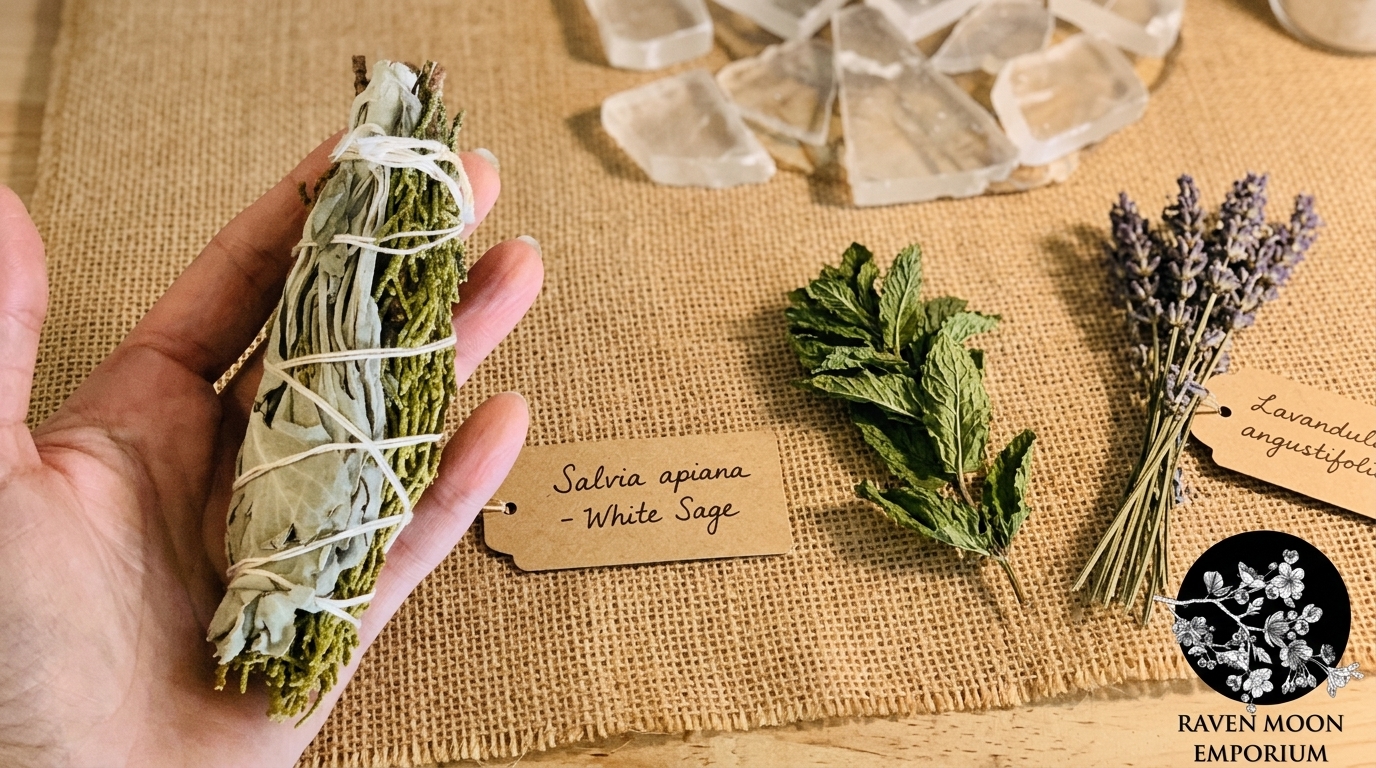
Herbs are a wonderful addition to any home, but choosing the right one can be confusing. This confusion often starts with common names. Understanding the difference between common names and botanical names is key to clear identification.
Common Name vs Botanical Name
Herbs often go by several common names, which can vary by region. For example, one herb might be called “lemon balm” in one place and something entirely different elsewhere. The botanical name, however, remains constant. This scientific label is unique to each plant, ensuring you get the exact herb you want. When shopping in-store or online, look for the Latin name to avoid mix-ups.
How to Read Herb Labels
Reading herb labels can feel daunting, but it’s simpler than it looks. Every label should include the plant’s botanical name. This name is usually italicized and written in Latin, as in Melissa officinalis for lemon balm. Understanding this helps you pick the right plant for your needs, whether you’re making tea, tinctures, or just enjoying their beauty.
Benefits of Botanical Names
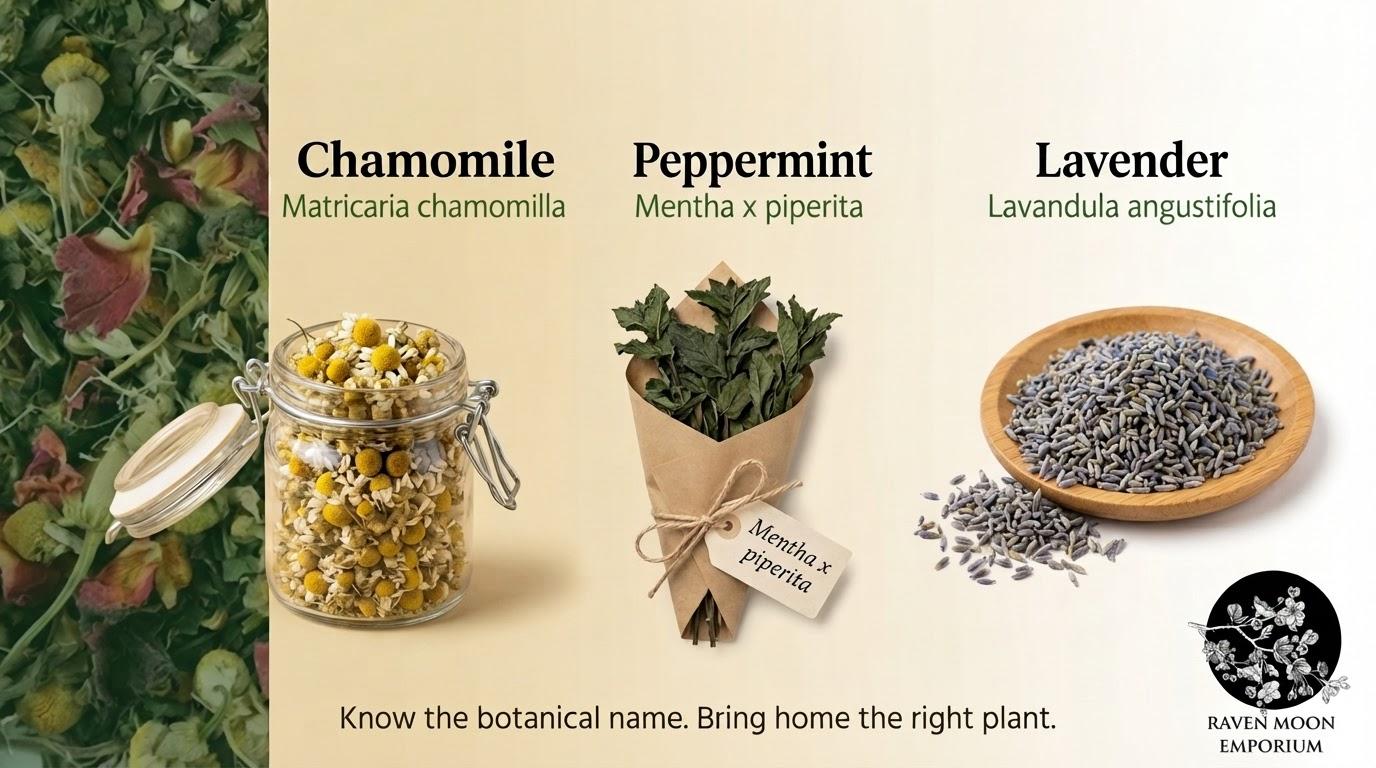
Using botanical names provides clarity and ensures you select the right herb. It’s about making herbal shopping a breeze and building your confidence in choosing the perfect plant for your needs. It is also about keeping you safe and making sure your herbal medicinals are consistent.
Accuracy in Herb Identification
Botanical names offer precise identification. Many herbs look alike but serve different purposes. By using the Latin name, you eliminate guesswork. This accuracy is crucial for crafting medicinal teas or herbal remedies, where the right plant makes all the difference.
Building Confidence in Herbal Shopping
Knowing the botanical name empowers you. You’ll feel assured in your choices, whether you’re exploring our apothecary in Rock Hill, SC, or browsing herbs online, from us or anyone else. It’s about turning uncertainty into confidence, allowing you to shop like a pro.
Essential Summer Herbs Guide
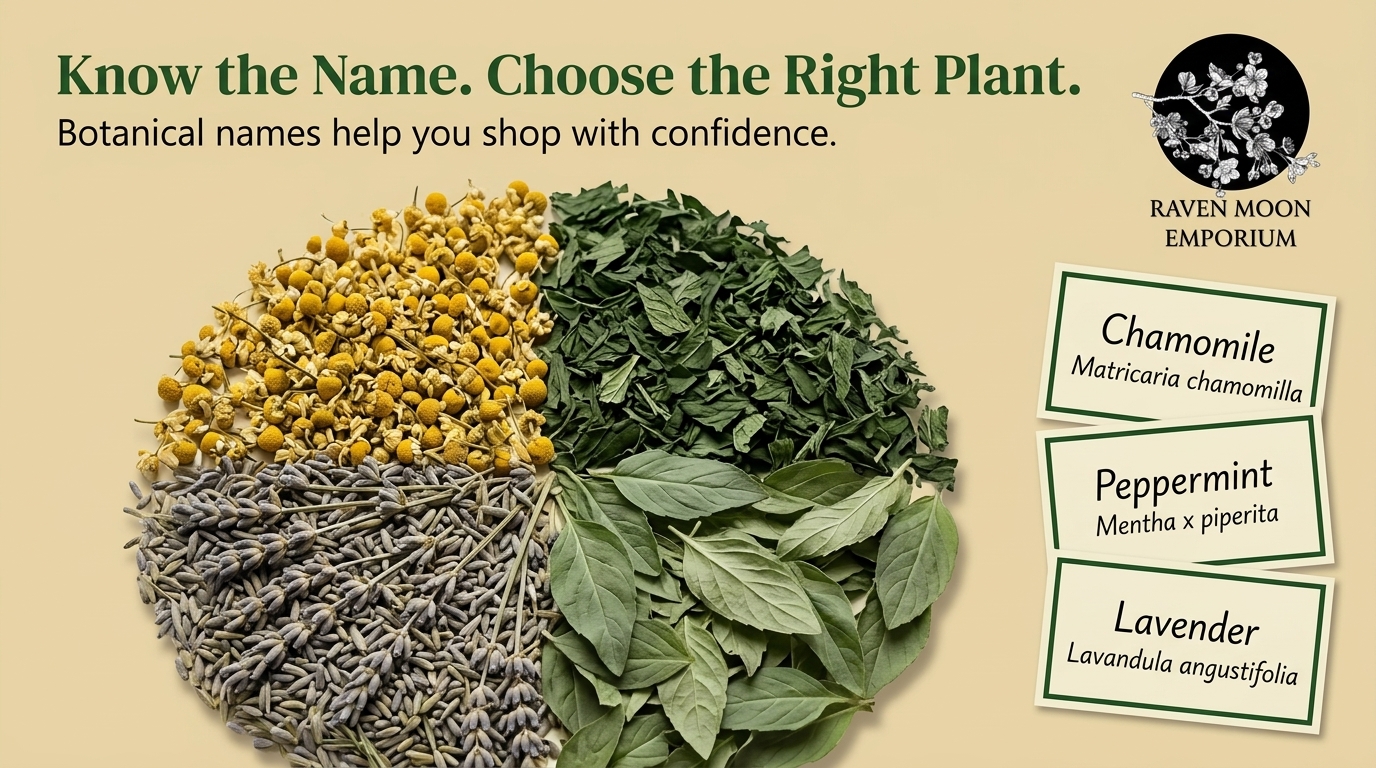
Let’s dive into some summer herbs that are often confused. Understanding their botanical names will help you pick the right ones every time.
Melissa officinalis, Lemon Balm
Lemon balm is a summer favorite, loved for its calming properties. Known in Latin as Melissa officinalis, this herb is perfect for teas and soothing remedies. The botanical name ensures you’re getting a plant known for its relaxation and stress-relief benefits. In some parts of the country, this herb is called Melissa rather than Lemon Balm. Lemon balm (Melissa officinalis) is most frequently confused with catnip (Nepeta cataria) or bee balm (Monarda species), since they are all in the mint family.
Medicinal Differences Between Lemon Balm, Catnip, and Bee Balm
Discovering the unique properties of each herb can be an exciting journey into plant medicine, especially with lemon balm, catnip, and bee balm. These herbs, while all from the aromatic mint family, offer distinct benefits that cater to different wellness needs.
-
Lemon Balm (Melissa officinalis):
Known for its calming and soothing qualities, lemon balm is a beloved choice for those seeking relief from stress and anxiety. This gentle herb is often used in teas to promote relaxation and improve sleep. Its antiviral properties make it a popular remedy for cold sores and other viral infections. A must-have for anyone looking to create a peaceful, restorative ritual! -
Catnip (Nepeta cataria):
Although famous for its effect on cats, catnip also offers wonderful benefits for humans! It’s traditionally used for its mild sedative properties, which help alleviate insomnia and nervousness. Catnip can also soothe digestive issues and reduce discomfort from indigestion. Perfect for winding down after a long day! -
Bee Balm (Monarda species):
With its vibrant blooms, bee balm is not just a pretty face in the garden. It’s cherished for its antimicrobial properties and is often used to treat colds and respiratory infections. The herb promotes healthy digestion and soothes sore throats. Embrace bee balm as a dynamic companion in your journey towards holistic health!
Whether you’re crafting your own herbal teas or exploring medicinal practices, these herbs offer unique benefits to your wellness regimen – so it is important to know which herb you are working with. 🌿
Mentha spicata, Spearmint
Spearmint, or Mentha spicata, is a refreshing herb commonly used in summer drinks and desserts. Its botanical name guarantees you’re picking the mint with the sweet, mild flavor, ideal for cooling off in the summer heat. Peppermint, on the other hand, Mentha x piperita, is a hybrid mint from two different plants: watermint (Mentha aquatica) and Spearmint (Mentha spicata). Some places may say “mint”, but it is important to know which one you are getting since they do different things.
Medicinal Differences Between Spearmint and Peppermint
When it comes to the world of mints, spearmint (Mentha spicata) and peppermint (Mentha x piperita) each bring their own unique medicinal benefits, making them versatile allies in your herbal collection. Spearmint is celebrated for its calming effects on the digestive system. It serves as a gentle remedy for stomach discomfort and has traditionally been used to reduce nausea and improve digestion. If you’re looking for something mild and suitable for children, Spearmint might be the perfect pick!
On the other hand, peppermint, a robust hybrid of watermint and Spearmint, packs a more potent punch. It is lauded for its invigorating properties and is commonly used to alleviate headaches and sinus congestion due to its high menthol content. Peppermint also has a cooling effect, making it an excellent choice for relieving muscle aches and tension. Both herbs offer unique benefits and can be used to complement each other, bringing a refreshing, holistic touch to your herbal repertoire. Knowing the scientific names of each helps you to choose the right herb for you or your family.
Ocimum tenuiflorum, Holy Basil 🌿
Holy basil, also called Ocimum tenuiflorum, is revered for its adaptogenic qualities. This herb supports well-being and is a staple in many spiritual and herbal practices. The Latin name helps you find this sacred plant without confusion. Holy Basil is often confused with common sweet basil (Ocimum basilicum).
Medicinal Differences Between Common Basil and Holy Basil
Common basil, known as Ocimum basilicum, is a kitchen staple cherished for its culinary versatility. However, it also harbors medicinal properties that make it a valuable ally in holistic wellness. It is known for its anti-inflammatory and antimicrobial properties and is often used to aid digestion and relieve headaches. The sweet aroma of common basil also offers a calming effect, making it a delightful ingredient in a variety of herbal infusions.
Holy Basil, or Ocimum tenuiflorum—commonly known as Tulsi—is revered in many spiritual and health practices for its potent adaptogenic properties. Unlike common basil, Holy Basil is particularly valued for its ability to reduce stress and support mental clarity. It is often used to boost the immune system, combat oxidative stress, and balance metabolism. The adaptogenic nature of Holy Basil makes it a dynamic addition to any wellness routine, promoting balance and harmony in the body.
Varieties of Holy Basil and Their Medicinal Differences
Holy Basil isn’t just one plant but comes in three main varieties, each offering unique benefits. Let’s dive into these enchanting varieties:
-
Vana Tulsi (Ocimum gratissimum): Known as the wild variety, Vana Tulsi is robust and has a strong, earthy aroma. Its powerful antioxidant properties help boost the immune system and aid in detoxification. Vana Tulsi is often used to promote respiratory health and is considered excellent for grounding spiritual practices.
-
Rama Tulsi (Ocimum sanctum): With its light green leaves and a mellow flavor, Rama Tulsi is the most common type. It excels in reducing stress and supporting mental clarity. Often used in teas, it has adaptogenic qualities that make it perfect for daily consumption, promoting overall well-being and resilience to life’s challenges.
-
Krishna Tulsi (Ocimum tenuiflorum): Renowned for its dark purple leaves, Krishna Tulsi possesses strong medicinal properties. It’s particularly effective in managing skin conditions and respiratory issues. Known for its peppery, crisp taste, Krishna Tulsi is often used in rituals and ceremonies for its spiritual significance and purifying properties.
Each variety of Holy Basil contributes uniquely to holistic health, providing a supportive hand in your journey towards harmony and balance. Whether you’re drawn to the earthy strength of Vana, the gentle embrace of Rama, or the vibrant potency of Krishna, knowing the scientific name of the herb you want to work with ensures that you are choosing a variety that is right for you. 🌿
Frequently Asked Questions
What is the difference between common names and botanical names for herbs?
Common names vary by region and can be misleading, while botanical names are universal and precise, ensuring you get the exact plant you need.
How do I read herb labels to find the right plant?
Look for the botanical name, usually in Latin and italicized, on the label. This name is unique to each plant and helps avoid mix-ups.
Why are botanical names important when shopping for herbs?
Botanical names provide exact identification, reducing confusion and ensuring you choose the right herb for your needs, whether for medicinal teas or other uses.
By embracing the use of botanical names, you transform your herbal shopping experience into one of certainty and joy, ensuring you always bring home the exact herbs you intend.